Languages

global warming

English

Climate change: recent, rapid ocean warming alarms scientists - 2023

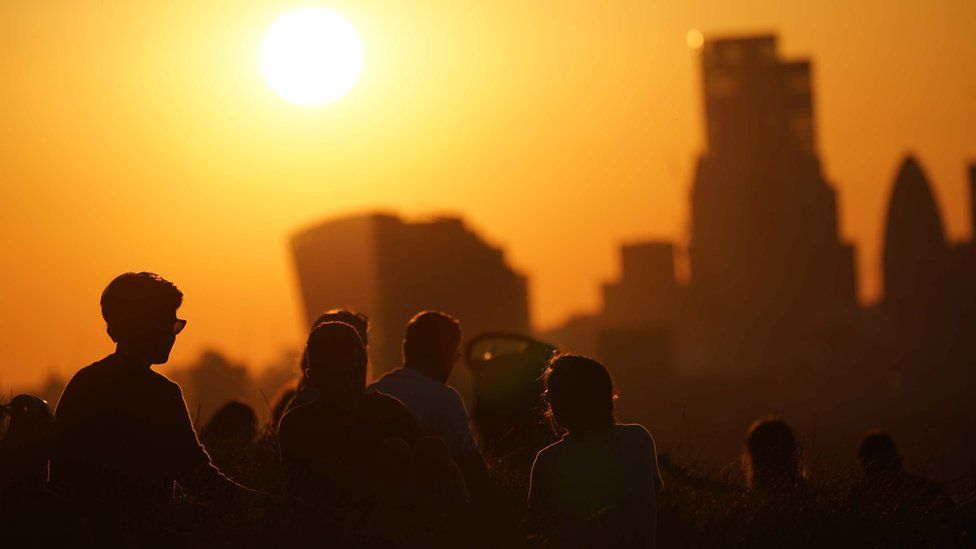
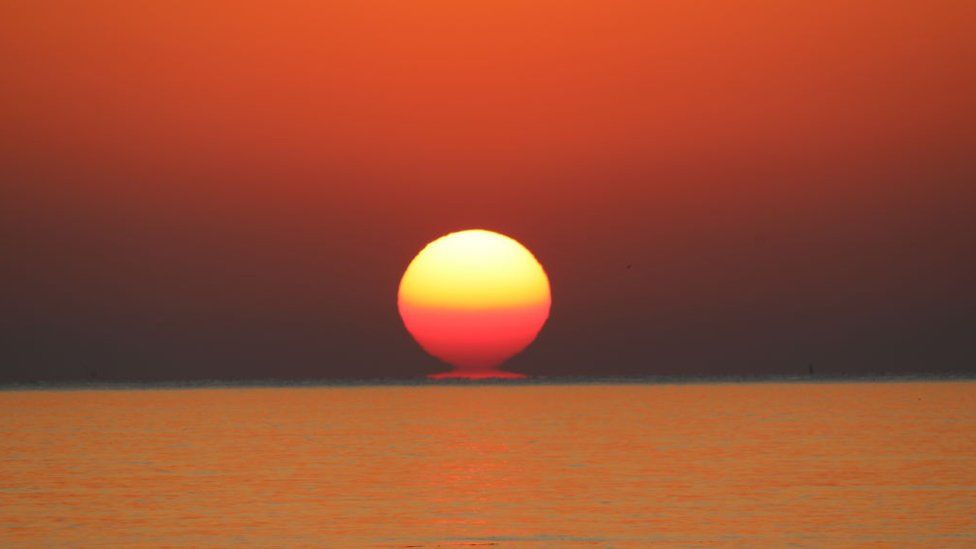
sun over the oceabn

A recent, rapid heating of the world's oceans has alarmed scientists concerned that it will add to global warming.

This month, the global sea surface hit a new record high temperature. It has never warmed this much, this quickly.

Scientists don't fully understand why this has happened.

But they worry that, combined with other weather events, the world's temperature could reach a concerning new level by the end of next year.

Experts believe that a strong El Niño weather event - a weather system that heats the ocean - will also set in over the next months.

What is biodiversity and how are we protecting it?


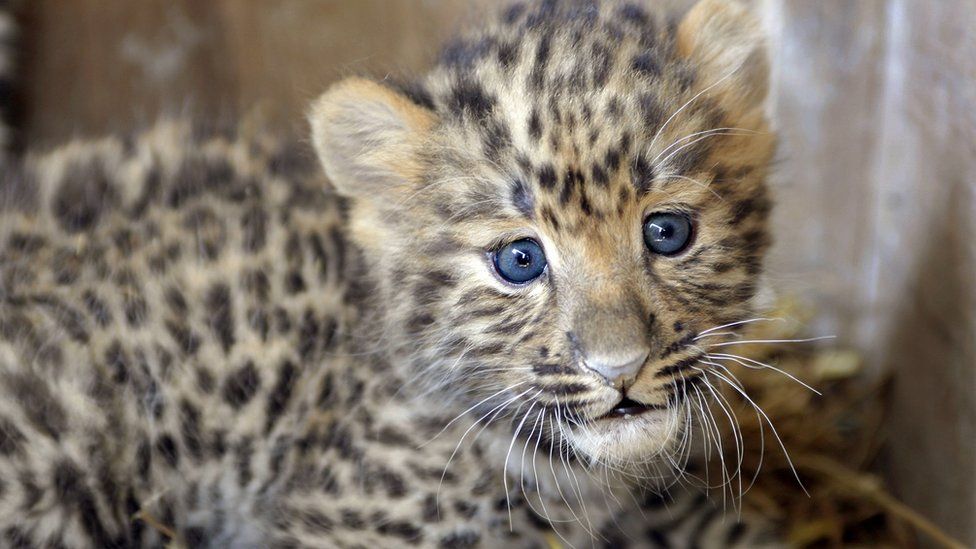
Baby Amur leopard also known as the Manchurian leopard, at the Parc des felins, in Nesles, south-eastern Paris.

Amur leopards are one of the most endangered species in the world


Targets to reverse the decline of biodiversity by 2030 may be missed without urgent action, according to a new report.

This goal was a key part of the UN global summit on biodiversity held in December 2022.

Nearly a third of all monitored species are currently endangered due to human activities.

2023 - Accelerating melt of ice sheets now unmistakable

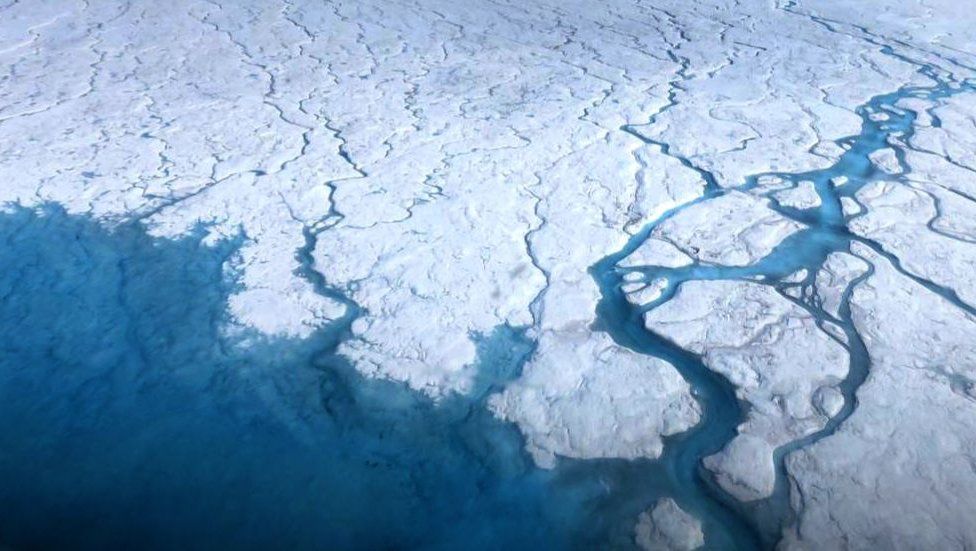
Greenland Ice Sheet

Warmer air is melting the top of the Greenland Ice Sheet

If you could shape an ice cube out of all the ice losses from Greenland and Antarctica over the past three decades, it would stand 20km high.

An international group of scientists who work with satellite data say the acceleration in the melting of Earth's ice sheets is now unmistakable.

They calculate the planet's frozen poles lost 7,560 billion tonnes in mass between 1992 and 2022.

Seven of the worst melting years have occurred in the past decade.

Mass loss from Greenland and Antarctica is now responsible for a quarter of all sea-level rise.

This contribution is five times what it was 30 years ago.

The latest assessment comes from the Ice Sheet Mass Balance Intercomparison Exercise, or Imbie.

Global Deforestation Summary - 2022

Deforestation: Which countries are still cutting down trees?

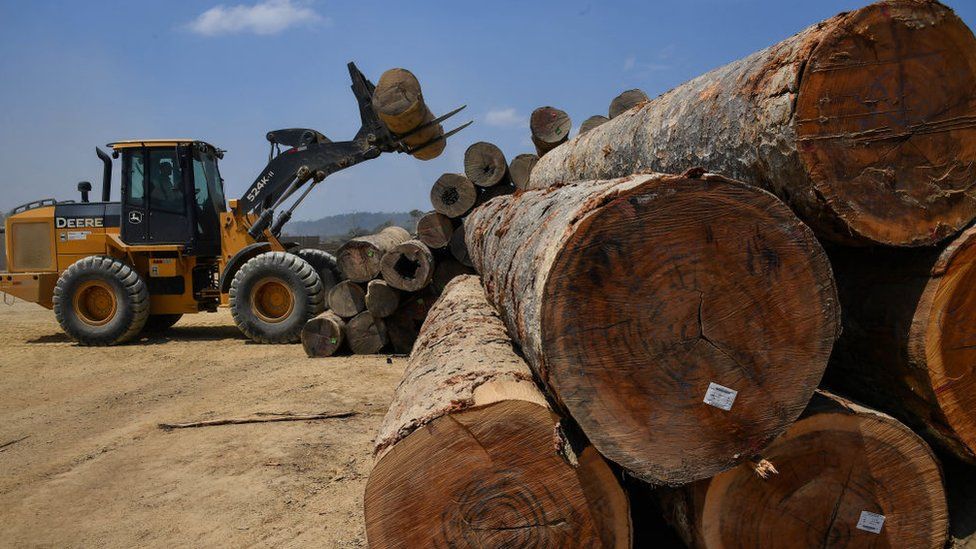
Logs from the Amazon

World leaders have pledged to end and reverse deforestation by 2030.

But in Brazil's Amazon rainforest it has hit its highest level in over 15 years - and progress elsewhere is challenging.

Brazil: Illegal logging continues

Some 60% of the Amazon rainforest is in Brazil, and it plays a vital role in absorbing harmful CO2 that would otherwise escape into the atmosphere.

Animal populations shrunk an average of 69% over the last half-century

Global animal populations are declining, and we've got limited time to try to fix it.

That's the upshot of a new report from the World Wildlife Fund and the Zoological Society of London, which analyzed years of data on thousands of wildlife populations across the world and found a downward trend in the Earth's biodiversity.

According to the Living Planet Index, a metric that's been in existence for five decades, animal populations across the world shrunk by an average of 69% between 1970 and 2018.

Not all animal populations dwindled, and some parts of the world saw more drastic changes than others. But experts say the steep loss of biodiversity is a stark and worrying sign of what's to come for the natural world.

"The message is clear and the lights are flashing red," said WWF International Director General Marco Lambertini.

According to the report's authors, the main cause of biodiversity loss is land-use changes driven by human activity, such as infrastructure development, energy production and deforestation.

Climate change may become the leading cause of biodiversity loss

Cattle graze near a fire in Amazonas, Brazil, on Sept. 22. A new report analyzed years of data on wildlife populations across the world and found a downward trend in the Earth's biodiversity.

Climate change 2022: More studies needed on possibility of human extinction

heat

Catastrophic climate change outcomes, including human extinction, are not being taken seriously enough by scientists, a new study says.

The authors say that the consequences of more extreme warming - still on the cards if no action is taken - are "dangerously underexplored".

They argue that the world needs to start preparing for the possibility of what they term the "climate endgame".

They want UN scientists to investigate the risk of catastrophic change. According to this new analysis, the closest attempts to directly understand or address how climate change could lead to global catastrophe have come from popular science books such as The Uninhabitable Earth and not from mainstream science research.

Climate change killing elephants says Kenya


Kenya's Wildlife and Tourism ministry says that climate change is now a bigger threat to elephant conservation than poaching.

In the past year, the country has recorded 179 elephant deaths due to the ongoing drought affecting the Horn of Africa.

Following consecutive seasons of poor rains, rivers and water pans have dried up and grasslands have shrivelled in the game reserves.

Countries

Different Countries of the World are causing Extinction of Species, Global Warming and Environmental Degration at different rates and in different amounts; and are feeling the effects of Global Warming, Extinction of Species and Environmental Degration at different rates and in different amounts. Use the sub-menus to find information onhow  each Country's causes and is affected by Extinction of Species, Global Warming and Environmental Degration.

Australia's environment in 'shocking' decline, report finds

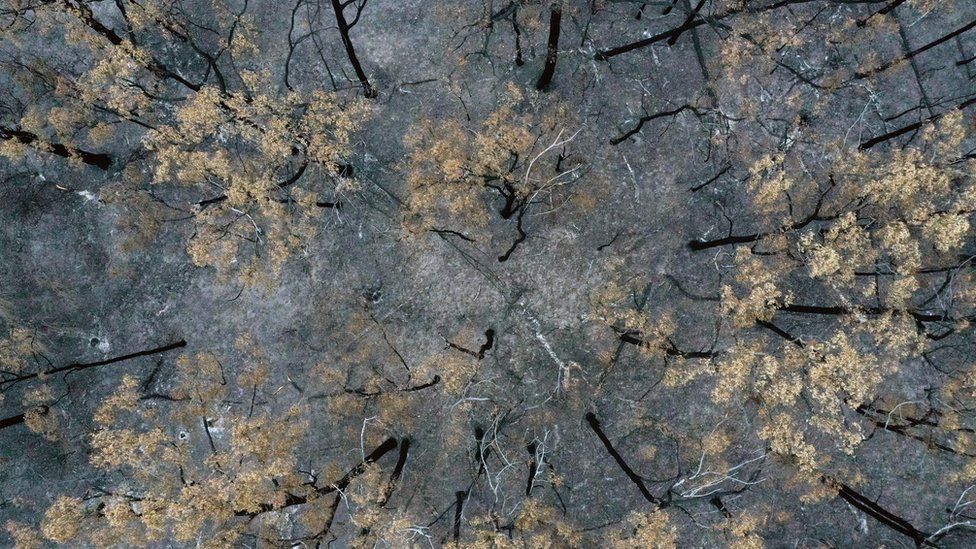
Overhead view of trees destroyed by bushfires in Australia

Australia has suffered a litany of natural disasters in recent years including historic bushfires


Australia's environment is in a shocking state and faces further decline from amplifying threats, according to an anticipated report.

The survey of Australia's ecological systems - conducted every five years - found widespread abrupt changes.

These can be blamed on climate change, habitat loss, invasive species, pollution and mining, it said.

The threats are not being adequately managed - meaning they are on track to cause more problems.

Climate change: How do we know it is happening and caused by humans?

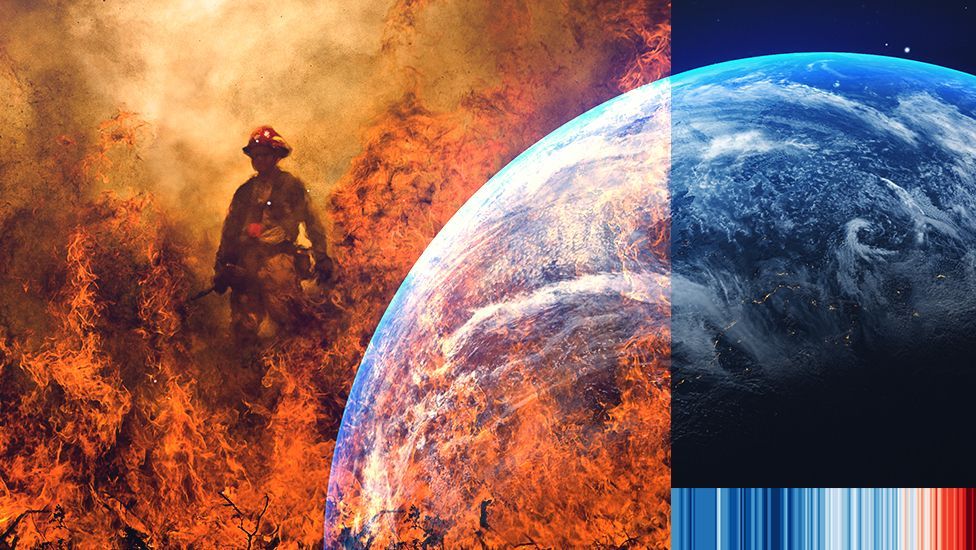
A firefighter in a wildfire

Scientists and politicians say we are facing a planetary crisis because of climate change.

But what's the evidence for global warming and how do we know it's being caused by humans?

How do we know the world is getting warmer?

Our planet has been warming rapidly since the dawn of the Industrial Revolution.

The average temperature at the Earth's surface has risen about 1.1C since 1850. Furthermore, each of the last four decades has been warmer than any that preceded it, since the middle of the 19th Century.

Pages