Languages

Extinction of Species

Extinction of Species

English

Biodiversity: What is a mass extinction and are we causing one?


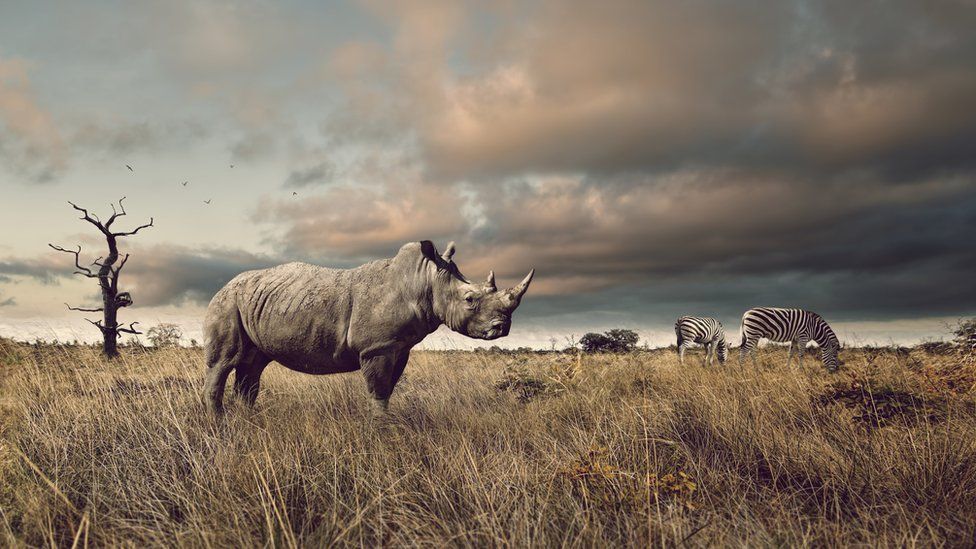
Rhino and zebras standing in a field


Five times in our planet's history, adverse conditions have extinguished most of life.

Now, scientists say, life on Earth could be in trouble again, with some even saying we could be entering a sixth mass extinction.

No credible scientist disputes that we are in a crisis regarding the speed at which nature is being destroyed.

But could we really be on track to lose most life on Earth?

Human-caused climate change, changes in land use and pollution are rapidly transforming the planet, making it harder for species to adapt and survive.

Leaders meet to try to pass a UN treaty to protect oceans - August 2022

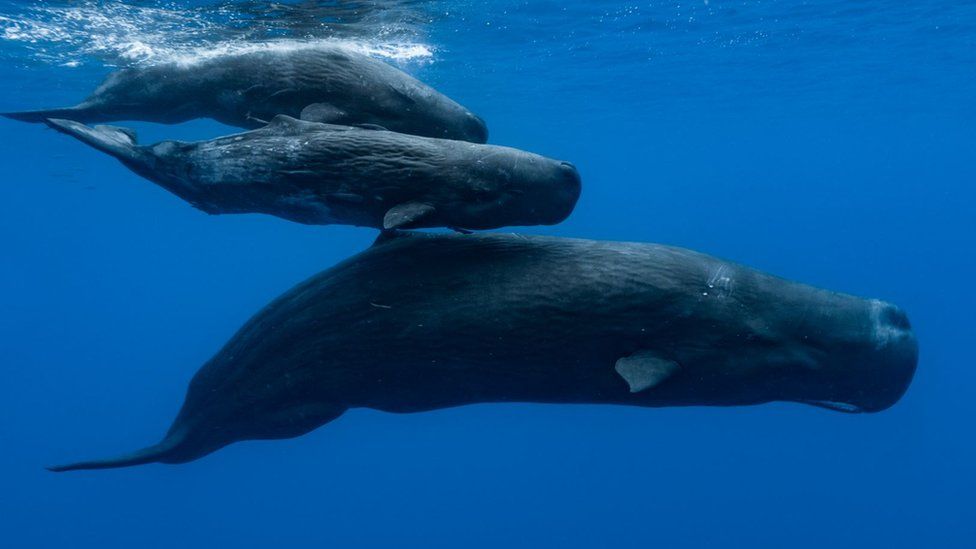
Whales and two babies swim underwater

World leaders will meet at the UN in New York later for more talks to save the world's oceans from overexploitation.

The UN High Seas Treaty has been through 10 years of negotiations but has yet to be signed.

If agreed, it would put 30% of the world's oceans into conservation areas by 2030.

Campaigners hope it will protect marine life from overfishing and other human activities.

Two-thirds of the world's oceans are currently considered international waters, which mean all countries have a right to fish, ship and do research there. But only 1.2% of these high seas, as they are referred to, are protected.

Kenya: Wildlife trafficking suspect seized after $1m reward

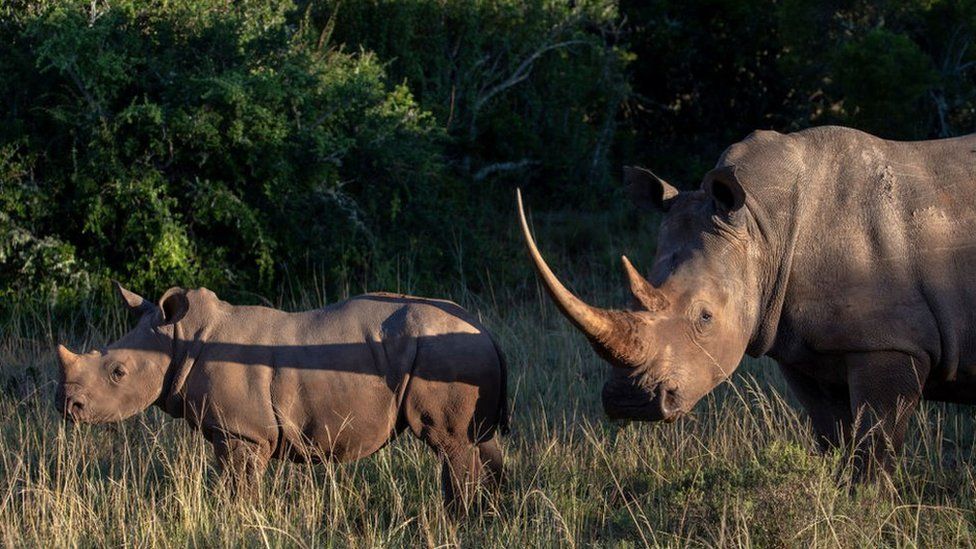
A crash, or group, of white rhinoceroses, also known as the square-lipped rhinoceros, is seen during a safari drive at the Shamwari Private Game Reserve on February 7, 2022 near the town of Paterson in South Africa's Eastern Cape province.

Mr Ahmed is suspected of trying to traffic rhinoceros horn and ivory


Kenyan police have arrested a man suspected of links to a transnational wildlife and drug trafficking syndicate who was indicted in a US court.

Abdi Hussein Ahmed, alias Abu Khadi, was detained on Tuesday in the central county of Meru after a tip-off from the public, police say.

How rangers are using AI to help protect India's tigers in 2022

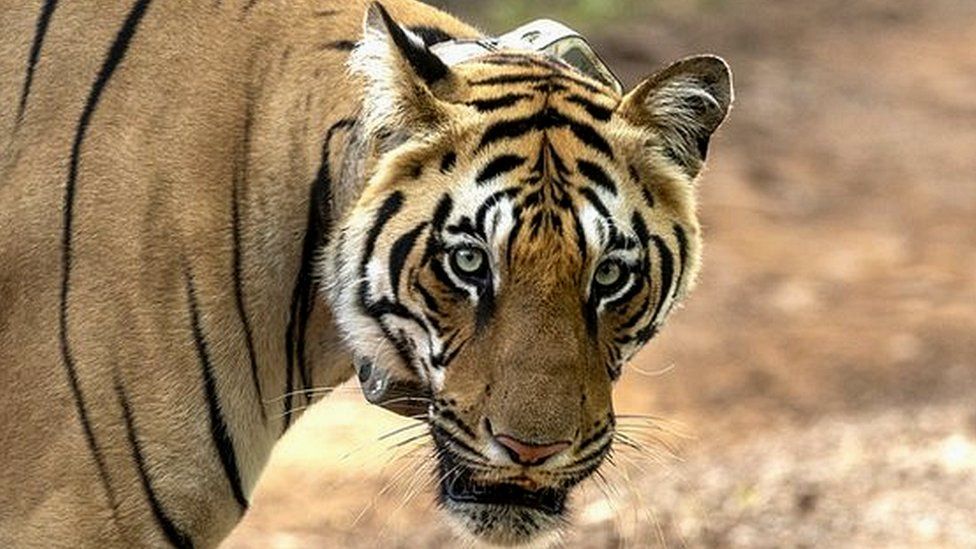
Indian tiger

India has around 3,000 tigers


For 22 years vet, Akhilesh Mishra has been treating animals at Pench National Park in Madhya Pradesh state in India.

He does not hesitate to name the tiger as his favourite animal. "They are so magnificent and beautiful. I just need to feel their soft skin to feel relaxed" he says. "!When I treat an injured tiger and then they are able to go back to forest, it is an out of this world experience."

A tiger's life is not easy, he says, particularly for the females: "For me the tigress is much stronger than the male tiger. She fights so fearlessly for her cubs. She is a goddess - ready to take on a huge tiger who tries to harm her cubs."

Climate change 2022: More studies needed on possibility of human extinction

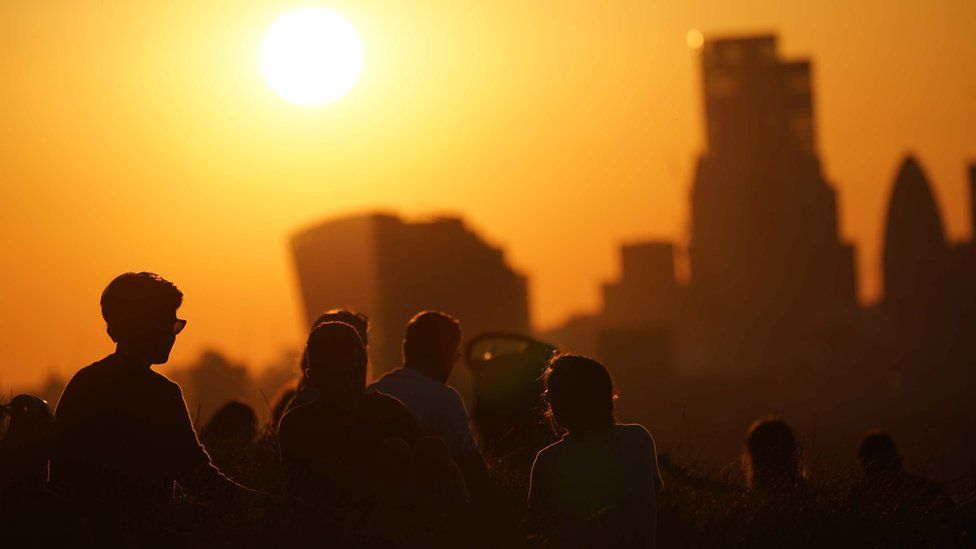
heat

Catastrophic climate change outcomes, including human extinction, are not being taken seriously enough by scientists, a new study says.

The authors say that the consequences of more extreme warming - still on the cards if no action is taken - are "dangerously underexplored".

They argue that the world needs to start preparing for the possibility of what they term the "climate endgame".

They want UN scientists to investigate the risk of catastrophic change. According to this new analysis, the closest attempts to directly understand or address how climate change could lead to global catastrophe have come from popular science books such as The Uninhabitable Earth and not from mainstream science research.

Climate change killing elephants says Kenya


Kenya's Wildlife and Tourism ministry says that climate change is now a bigger threat to elephant conservation than poaching.

In the past year, the country has recorded 179 elephant deaths due to the ongoing drought affecting the Horn of Africa.

Following consecutive seasons of poor rains, rivers and water pans have dried up and grasslands have shrivelled in the game reserves.

Cheetahs to prowl India for first time in 70 years

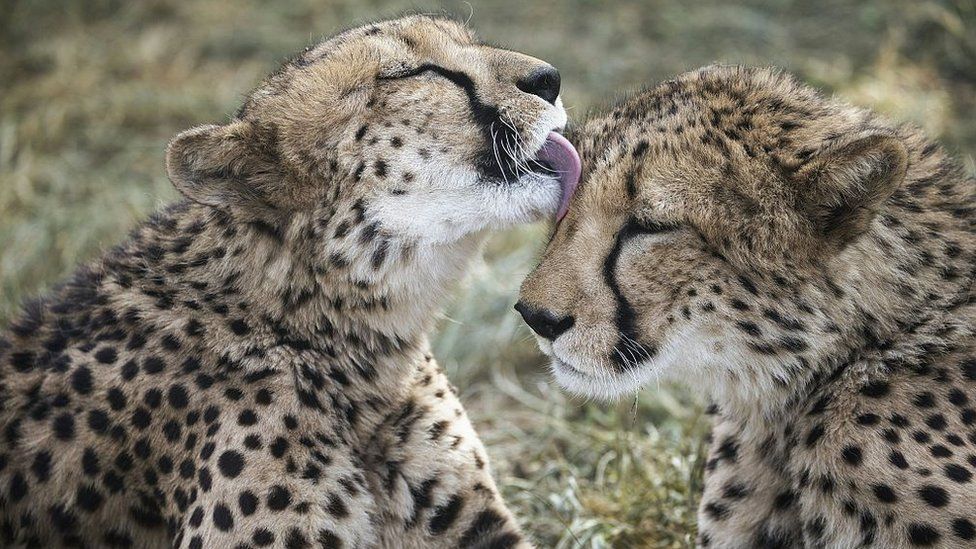
A captive cheetah licks her sibling in an enclosure at the Cheetah Conservation Fund in Otjiwarongo, Namibia, on February 18, 2016.

Namibia has one of the world's largest populations of cheetahs


For the first time in 70 years, India's forests will be home to cheetahs.

Eight of them are set to arrive in August from Namibia, home to one of the world's largest populations of the wild cat.

Their return comes decades after India's indigenous population was declared officially extinct in 1952.

The world's fastest land animal, the cheetah can reach speeds of 70 miles (113km) an hour.

Countries

Different Countries of the World are causing Extinction of Species, Global Warming and Environmental Degration at different rates and in different amounts; and are feeling the effects of Global Warming, Extinction of Species and Environmental Degration at different rates and in different amounts. Use the sub-menus to find information onhow  each Country's causes and is affected by Extinction of Species, Global Warming and Environmental Degration.

Australia's environment in 'shocking' decline, report finds

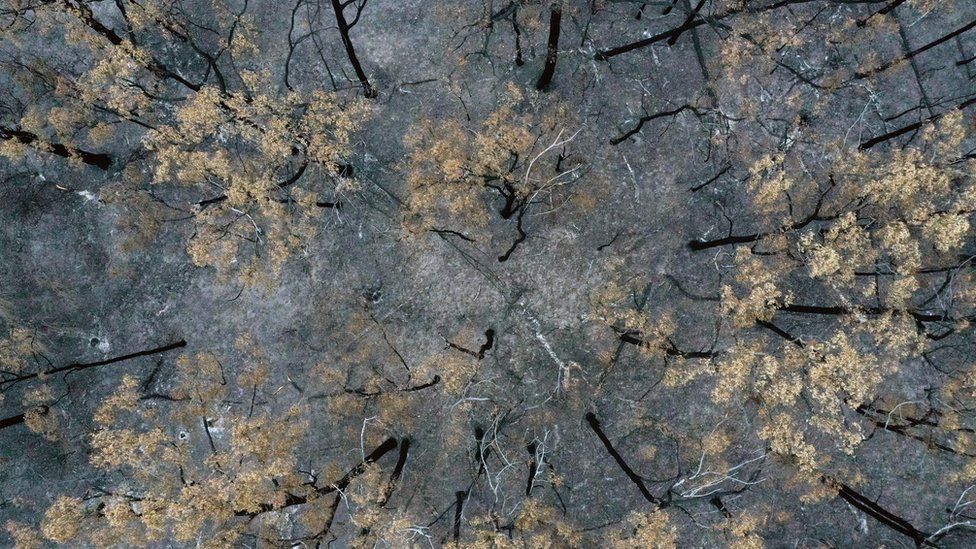
Overhead view of trees destroyed by bushfires in Australia

Australia has suffered a litany of natural disasters in recent years including historic bushfires


Australia's environment is in a shocking state and faces further decline from amplifying threats, according to an anticipated report.

The survey of Australia's ecological systems - conducted every five years - found widespread abrupt changes.

These can be blamed on climate change, habitat loss, invasive species, pollution and mining, it said.

The threats are not being adequately managed - meaning they are on track to cause more problems.

Climate change: How do we know it is happening and caused by humans?

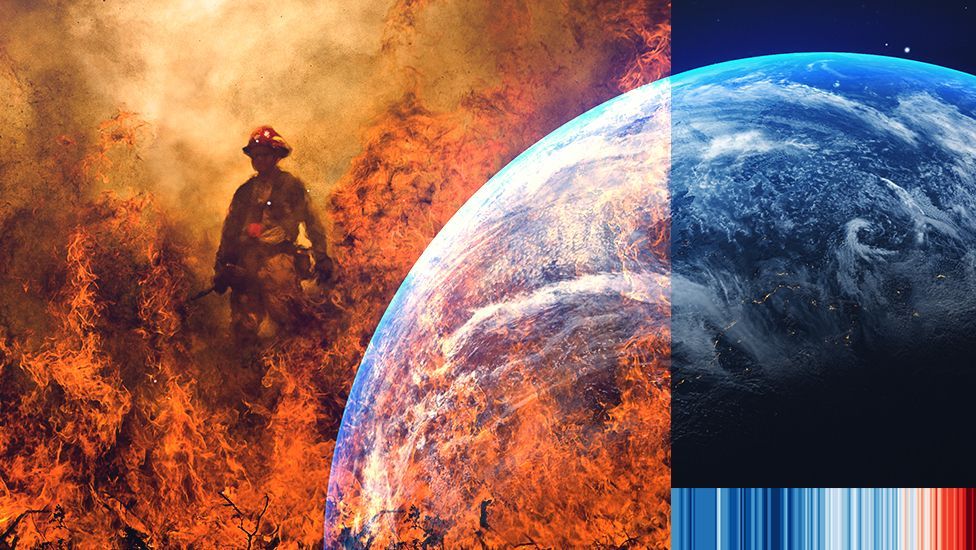
A firefighter in a wildfire

Scientists and politicians say we are facing a planetary crisis because of climate change.

But what's the evidence for global warming and how do we know it's being caused by humans?

How do we know the world is getting warmer?

Our planet has been warming rapidly since the dawn of the Industrial Revolution.

The average temperature at the Earth's surface has risen about 1.1C since 1850. Furthermore, each of the last four decades has been warmer than any that preceded it, since the middle of the 19th Century.

Pages