Languages

Causes of Extinction

English

Climate change 2022: More studies needed on possibility of human extinction

heat

Catastrophic climate change outcomes, including human extinction, are not being taken seriously enough by scientists, a new study says.

The authors say that the consequences of more extreme warming - still on the cards if no action is taken - are "dangerously underexplored".

They argue that the world needs to start preparing for the possibility of what they term the "climate endgame".

They want UN scientists to investigate the risk of catastrophic change. According to this new analysis, the closest attempts to directly understand or address how climate change could lead to global catastrophe have come from popular science books such as The Uninhabitable Earth and not from mainstream science research.

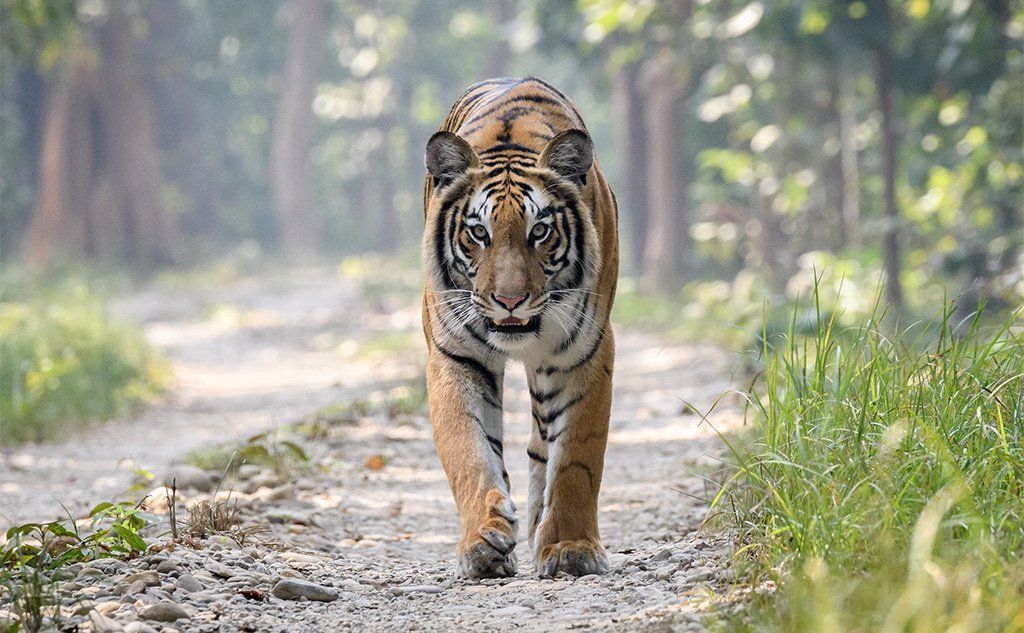
Nepal 2022: Return of the tigers brings both joy and fear

Nepal 2022: Return of the tigers brings both joy and fear

Bengal tiger

Endangered Bengal tigers are making a remarkable recovery in Nepal


Climate change killing elephants says Kenya


Kenya's Wildlife and Tourism ministry says that climate change is now a bigger threat to elephant conservation than poaching.

In the past year, the country has recorded 179 elephant deaths due to the ongoing drought affecting the Horn of Africa.

Following consecutive seasons of poor rains, rivers and water pans have dried up and grasslands have shrivelled in the game reserves.

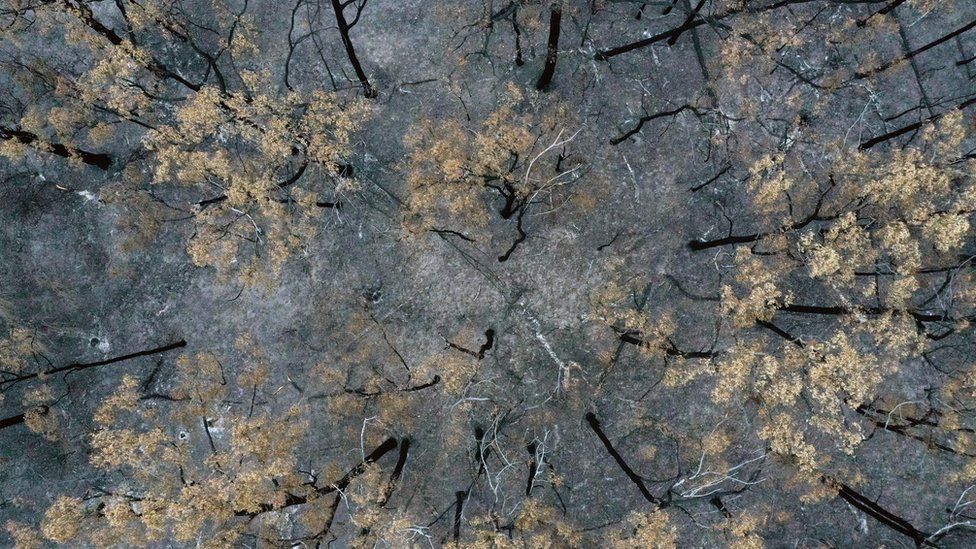
Australia's environment in 'shocking' decline, report finds

Overhead view of trees destroyed by bushfires in Australia

Australia has suffered a litany of natural disasters in recent years including historic bushfires


Australia's environment is in a shocking state and faces further decline from amplifying threats, according to an anticipated report.

The survey of Australia's ecological systems - conducted every five years - found widespread abrupt changes.

These can be blamed on climate change, habitat loss, invasive species, pollution and mining, it said.

The threats are not being adequately managed - meaning they are on track to cause more problems.

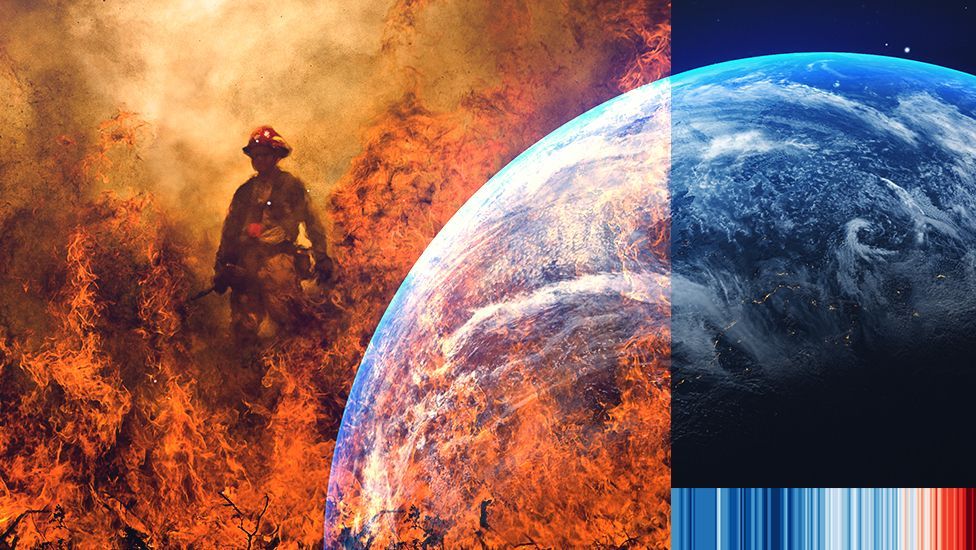
Climate change: How do we know it is happening and caused by humans?

A firefighter in a wildfire

Scientists and politicians say we are facing a planetary crisis because of climate change.

But what's the evidence for global warming and how do we know it's being caused by humans?

How do we know the world is getting warmer?

Our planet has been warming rapidly since the dawn of the Industrial Revolution.

The average temperature at the Earth's surface has risen about 1.1C since 1850. Furthermore, each of the last four decades has been warmer than any that preceded it, since the middle of the 19th Century.

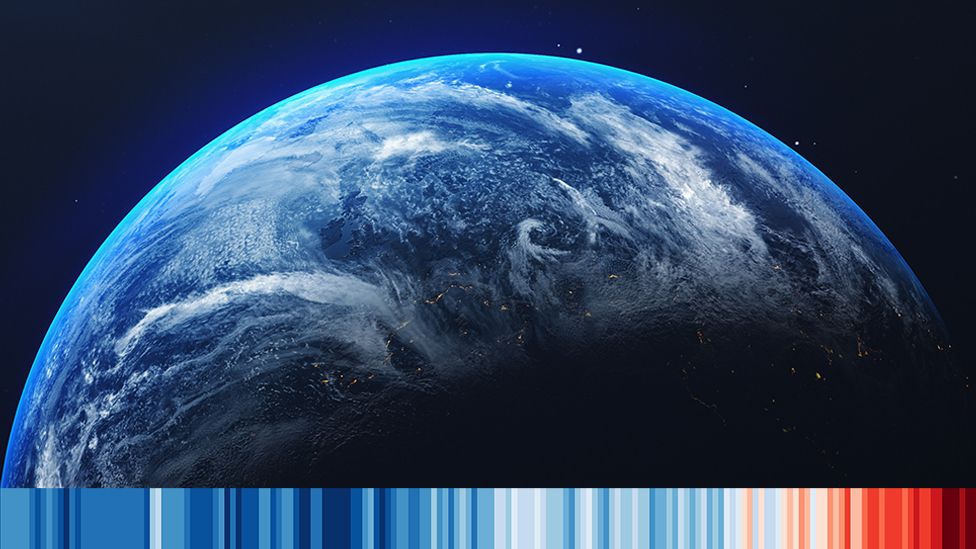
What is climate change? A really simple guide

Picture of the Earth

World temperatures are rising because of human activity, and climate change now threatens every aspect of human life.

Left unchecked, humans and nature will experience catastrophic warming, with worsening droughts, greater sea level rise and mass extinction of species.

We face a huge challenge, but there are potential solutions.

What is climate change?

Climate is the average weather in a place over many years. Climate change is a shift in those average conditions.

Extreme weather: What is it and how is it connected to climate change?

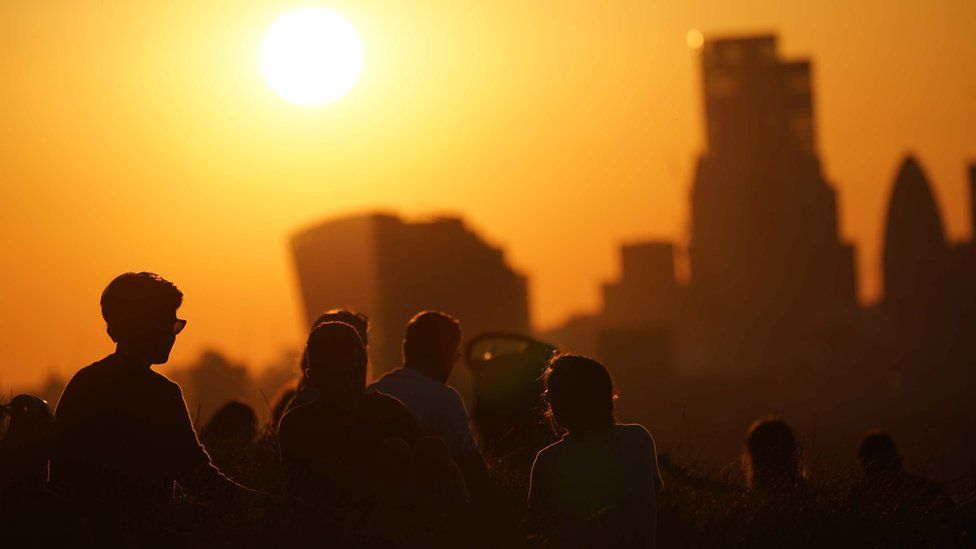
People around the globe are experiencing dramatic heatwaves, deadly floods and wildfires as a result of climate change.

The UK and parts of Europe have seen temperatures of above 40C this month, leading to transport disruption and water shortages.

Emissions caused by the burning of fossil fuels have been trapping heat in the atmosphere since the start of the industrial era. This extra heat isn't evenly distributed across the globe, and bursts out extreme weather events.

Unless global emissions are cut, this cycle will continue.

Here are four ways climate change is changing the weather.

1. Hotter, longer heatwaves

To understand the impact of small changes to average temperatures, think of them as a bell curve with extreme cold and hot at either end, and the bulk of temperatures in the middle.

A small shift in the centre means more of the curve touches the extremes - and so heatwaves become more frequent and extreme.

2022 - We are living in the hottest period on earth in 125,000 years

The July 2022 heatwave is happening when average world temperatures have risen by just over 1C from their pre-industrial levels.

We are living in the hottest period in 125,000 years, according to the UN's climate science body, the Intergovernmental Panel on Climate Change (IPCC).

We know what is behind this - greenhouse gas emissions caused by our burning of fossil fuels like coal and gas. Concentrations of carbon dioxide (CO2) in the atmosphere are at the highest level for two million years and rising, according to the IPCC.

If all the promises governments made at the UN COP26 climate conference in Glasgow last year are actually implemented then we're looking at temperatures rising by 2.4C by the end of the century.

But the bad news is that emissions of CO2 continue to increase. Without big cuts by 2030 we could see temperatures go even higher. Perhaps as much as 4C by the end of the century, scientists predict.

The illegal ivory trade threatening African Elephants

The illegal ivory trade threatening Africa's elephants


Nairobi's elephant orphanage cares for babies of mothers killed by poachers.

Despite a 23-year ban on international trade in ivory, elephants continue to be shot for their prized tusks, with much of the material ending up on sale in China. The very future of the African elephant, the largest land animal on Earth, could be at risk. Last year saw the highest number of large seizures of illegal ivory for more than two decades. From Kenya to Zambia, African law-enforcement and conservation authorities are facing a continuing battle with the poachers. And it is in the Democratic Republic of Congo, where governance is at its weakest, that the elephant population is being hit hardest, with thousands of elephants killed each year. Conservationists have recorded steep declines in population and fear fewer than 20,000 of the region's forest elephants remain in the Congo basin.  

Human Government

Human Government, through its laws, and its enforcement of them, is both a major cause of and a potential solution to the Extinction of Species. Human Government needs to change its laws, and enforce them. We can save species in the short term by creating and enlargening Nature Reserves and Protected areas and legislating against killing any species within those protected aeras, and enforcing that legislation absolutely. After all Extinction is Forever! 

This is only a short term "solution", as it does not address Human Overpopulation, Human Overdevelopment and Human Pollution - the major causes of decline and loss and extinction of species and habitat.  Only Humans together can make the necessary laws to preserve Nature - which is what must be done to ensure our own survival as well as the survival of our Human Civilization.

Humanity depends on Nature - on habitat for food availablity, pollution control, water purification, and agriculture; on other species for food availability, pollution control and pollination; on the atmospheric and oceanic currents for temperature control and freshwater generation and distribution; on atmosphic layers to protect us from cosmic radiation; and much, much more.

We could never afford to do what Nature does for us - we don't have the capacity or ability, and it would cost us thousands or millions times more than the total wealth of the planet - if we could.

Furthermore, human engineering, rather than replacing Nature, only causes more pollution, which makes the situation worse.

Pages