Languages

climate change

English

Three years left to limit warming to 1.5C, leading scientists warn - 2025

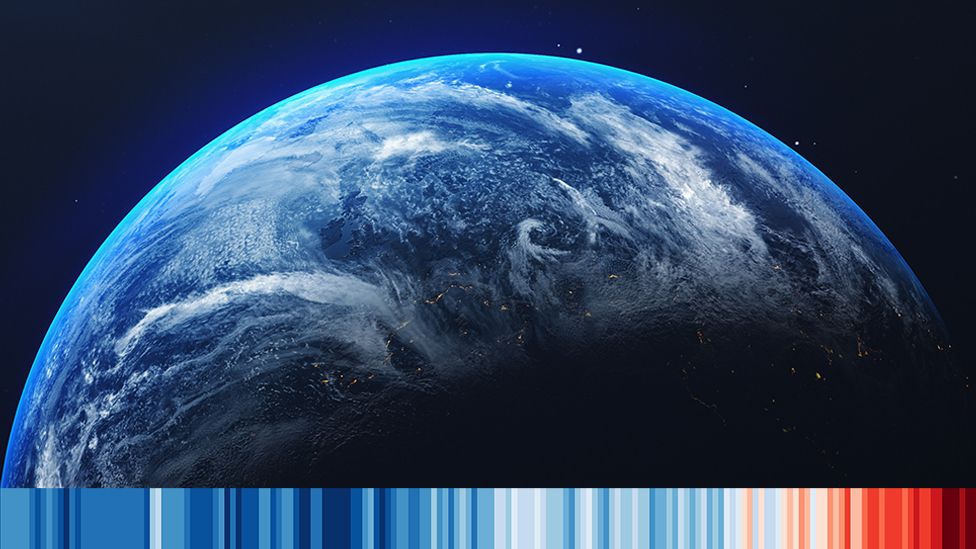
The Earth could be doomed to breach the symbolic 1.5C warming limit in as little as three years at current levels of carbon dioxide emissions.

That's the stark warning from more than 60 of the world's leading climate scientists in the most up-to-date assessment of the state of global warming.

Nearly 200 countries agreed to try to limit global temperature rises to 1.5C above levels of the late 1800s in a landmark agreement in 2015, with the aim of avoiding some of the worst impacts of climate change.

But countries have continued to burn record amounts of coal, oil and gas and chop down carbon-rich forests - leaving that international goal in peril.

Climate change has already worsened many weather extremes - such as the UK's 40C heat in July 2022 - and has rapidly raised global sea levels, threatening coastal communities.

"Things are all moving in the wrong direction," said lead author Prof Piers Forster, director of the Priestley Centre for Climate Futures at the University of Leeds.

"We're seeing some unprecedented changes and we're also seeing the heating of the Earth and sea-level rise accelerating as well."

These changes "have been predicted for some time and we can directly place them back to the very high level of emissions", he added.

US Reverses Course under Trump and other Countries follow suit, threatening the Planet - 2025

How Trump's 'drill, baby, drill' pledge is affecting other countries

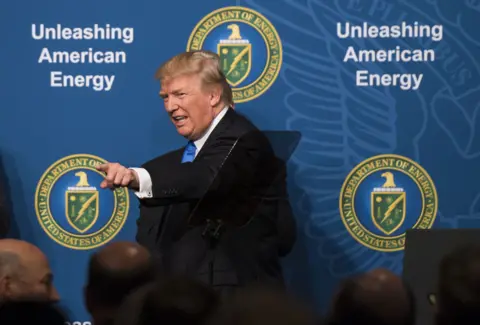
Getty Images US President Donald Trump points after speaking during the Unleashing American Energy event at the Department of Energy in Washington DC, US

Trump has said the US's oil and gas will be sold all over the world

The UN climate summit in the United Arab Emirates in 2023 ended with a call to "transition away from fossil fuels". It was applauded as a historic milestone in global climate action.

Biodiversity targets may be slipping out of reach - 2023

White stork

The researchers studied more than 600 species of birds and mammals


Ambitious targets to halt the decline in nature may already be slipping out of reach, a study suggests.

Scientists say the effects of climate change and habitat loss on animal populations have been underestimated.

They say bringing back wildlife may take longer than expected and that unless we act now global biodiversity targets will be out of reach.

In December almost 200 countries agreed to halt the decline in nature by the end of the decade.

Leaders meet to try to pass a UN treaty to protect oceans - August 2022

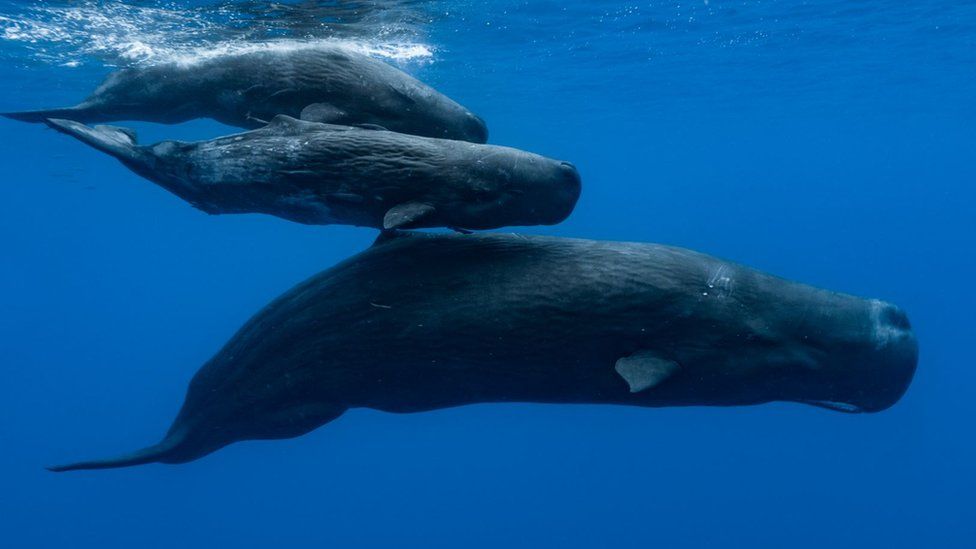
Whales and two babies swim underwater

World leaders will meet at the UN in New York later for more talks to save the world's oceans from overexploitation.

The UN High Seas Treaty has been through 10 years of negotiations but has yet to be signed.

If agreed, it would put 30% of the world's oceans into conservation areas by 2030.

Campaigners hope it will protect marine life from overfishing and other human activities.

Two-thirds of the world's oceans are currently considered international waters, which mean all countries have a right to fish, ship and do research there. But only 1.2% of these high seas, as they are referred to, are protected.

Climate change 2022: More studies needed on possibility of human extinction

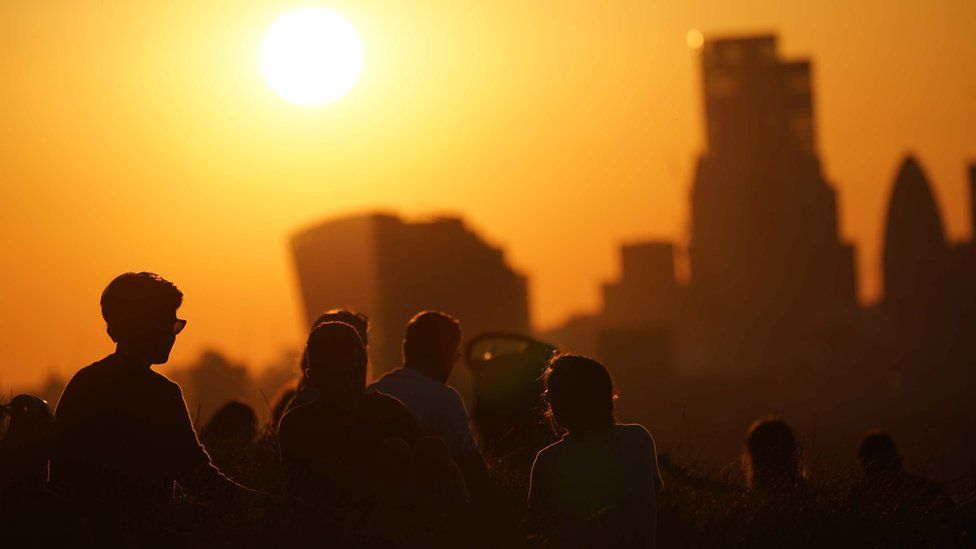
heat

Catastrophic climate change outcomes, including human extinction, are not being taken seriously enough by scientists, a new study says.

The authors say that the consequences of more extreme warming - still on the cards if no action is taken - are "dangerously underexplored".

They argue that the world needs to start preparing for the possibility of what they term the "climate endgame".

They want UN scientists to investigate the risk of catastrophic change. According to this new analysis, the closest attempts to directly understand or address how climate change could lead to global catastrophe have come from popular science books such as The Uninhabitable Earth and not from mainstream science research.

Climate change killing elephants says Kenya


Kenya's Wildlife and Tourism ministry says that climate change is now a bigger threat to elephant conservation than poaching.

In the past year, the country has recorded 179 elephant deaths due to the ongoing drought affecting the Horn of Africa.

Following consecutive seasons of poor rains, rivers and water pans have dried up and grasslands have shrivelled in the game reserves.

Australia's environment in 'shocking' decline, report finds

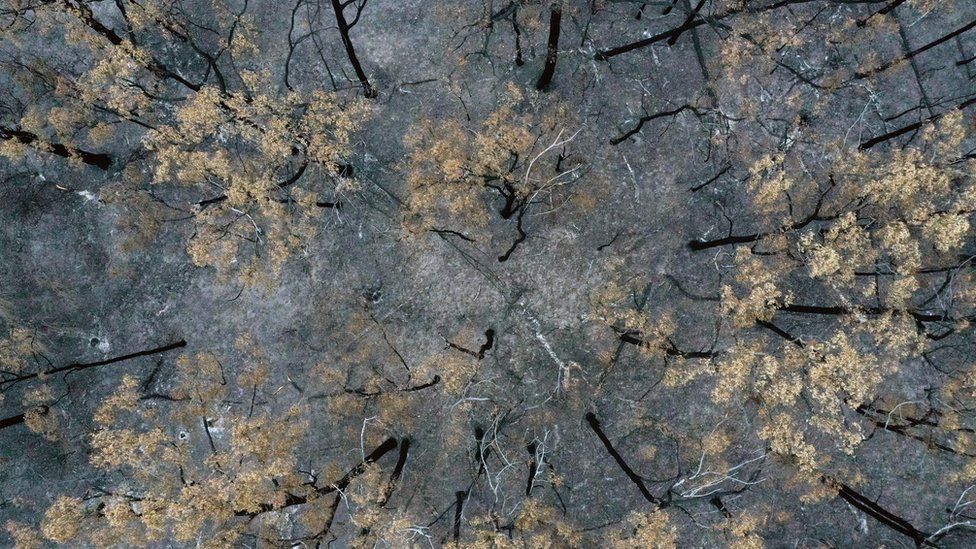
Overhead view of trees destroyed by bushfires in Australia

Australia has suffered a litany of natural disasters in recent years including historic bushfires


Australia's environment is in a shocking state and faces further decline from amplifying threats, according to an anticipated report.

The survey of Australia's ecological systems - conducted every five years - found widespread abrupt changes.

These can be blamed on climate change, habitat loss, invasive species, pollution and mining, it said.

The threats are not being adequately managed - meaning they are on track to cause more problems.

Climate change: How do we know it is happening and caused by humans?

A firefighter in a wildfire

Scientists and politicians say we are facing a planetary crisis because of climate change.

But what's the evidence for global warming and how do we know it's being caused by humans?

How do we know the world is getting warmer?

Our planet has been warming rapidly since the dawn of the Industrial Revolution.

The average temperature at the Earth's surface has risen about 1.1C since 1850. Furthermore, each of the last four decades has been warmer than any that preceded it, since the middle of the 19th Century.

What is climate change? A really simple guide

Picture of the Earth

World temperatures are rising because of human activity, and climate change now threatens every aspect of human life.

Left unchecked, humans and nature will experience catastrophic warming, with worsening droughts, greater sea level rise and mass extinction of species.

We face a huge challenge, but there are potential solutions.

What is climate change?

Climate is the average weather in a place over many years. Climate change is a shift in those average conditions.

Extreme weather: What is it and how is it connected to climate change?

People around the globe are experiencing dramatic heatwaves, deadly floods and wildfires as a result of climate change.

The UK and parts of Europe have seen temperatures of above 40C this month, leading to transport disruption and water shortages.

Emissions caused by the burning of fossil fuels have been trapping heat in the atmosphere since the start of the industrial era. This extra heat isn't evenly distributed across the globe, and bursts out extreme weather events.

Unless global emissions are cut, this cycle will continue.

Here are four ways climate change is changing the weather.

1. Hotter, longer heatwaves

To understand the impact of small changes to average temperatures, think of them as a bell curve with extreme cold and hot at either end, and the bulk of temperatures in the middle.

A small shift in the centre means more of the curve touches the extremes - and so heatwaves become more frequent and extreme.

Pages