Languages

Solutions to Extinction of Species

English

Study reveals 'true' material cost of development say researchers

Current methods of measuring the full material cost of imported goods are highly inaccurate say researchers. In a new study, they found that three times as many raw materials are used to process and export traded goods than are used in their manufacture. Richer countries who believe they have succeeded in developing sustainably are mistaken say the authors. The research has been published in the Proceedings of the National Academy of Sciences. Many developed nations believe they are on a path to sustainable development, as their economic growth has risen over the past 20 years but the level of raw materials they are consuming has declined. But this new study indicates that these countries are not including the use of raw materials that never leave their country of origin. Heavy footprints The researchers used a new model that looked at metal ores, biomass, fossil fuels and construction materials to produce what they say is a more comprehensive picture of the "material footprint" of 186 countries over a 20 year period. In 2008, around 70bn tonnes of raw materials were extracted worldwide but just 10bn tonnes were physically traded. Over 40% were used to enable the processing and export of these materials. "By relying on current indicators, governments are not able to see the true extent of resource consumption," said Dr Tommy Wiedmann from the University of New South Wales.

Rainforest plays critical role in hydropower generation

Belo Monte Bridge and proposed dam site Brazil

Belo monte - The proposed Belo Monte dam will be one of the biggest in the world, but deforestation could limit the amount of energy generated Deforestation in the Amazon region could significantly reduce the amount of electricity produced from hydropower, says a new study. Scientists say the rainforest is critical in generating the streams and rivers that ultimately turn turbines. If trees continue to be felled, the energy produced by one of the world's biggest dams could be cut by a third. The study is published in the Proceedings of the National Academy of Sciences. Many countries in tropical regions are turning to hydropower as an untapped source of energy. In Brazil around 45 new hydro plants are in the planning stage. “We now have very strong evidence that Brazil's ability to generate electricity depends on forest conservation” Dr Daniel Nepstad Rainforests, by their very name, are prime locations for the dams that are usually required to create the force of water needed to generate electric power. Until now the presumption has been that cutting down the trees near a dam actually increased the amount of water flowing into the dams. Trees of life But in this new study the researchers took a broader look at the climate projections for the Amazon basin and not just at the rivers on which the dams were built. They found that rainforests are more critical than previously thought as they produce the rain that fills the streams that ultimately drives the rivers and the turbines.

African forest elephants face extinction

African forest elephants decline by 62% in 10 years

African forest elephants by water


African forest elephants face extinction if 'drastic measures' are not taken


Forest elephant numbers have decreased by 62% across Central Africa over the last 10 years, according to a study.

The analysis confirmed fears that African forest elephants (Loxodonta cyclotis) are heading for extinction, possibly within the next decade. Conservationists said "effective, rapid, multi-level action is imperative" in order to save the elephants. They are concerned the forest elephants are being killed for their ivory. Results of the study, undertaken by researchers from the Wildlife Conservation Society (WCS), are published in the scientific journal PLoS One. Over 60 co-authors contributed to the study, which was led by Dr Fiona Maisels, a WCS conservation scientist from the School of Natural Sciences, University of Sterling. "Although we were expecting to see these results, we were horrified that the decline over the period of a mere decade was over 60%," Dr Maisels told BBC Nature.

Elusive giants

African forest elephants

Soot has large role in climate change

Climate change: Soot's role underestimated


wood fire


The burning of wood is a major source of black carbon the world over.


Black carbon, or soot, is making a much larger contribution to global warming than previously recognised, according to research.

Scientists say that particles from diesel engines and wood burning could be having twice as much warming effect as assessed in past estimates. They say it ranks second only to carbon dioxide as the most important climate-warming agent. The research is in the Journal of Geophysical Research-Atmospheres. Black carbon aerosols have been known to warm the atmosphere for many years by absorbing sunlight. They also speed the melting of ice and snow. This new study concludes the dark particles are having a warming effect approximately two thirds that of carbon dioxide, and greater than methane.

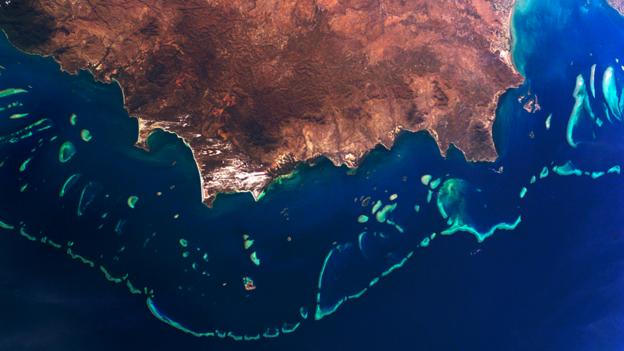
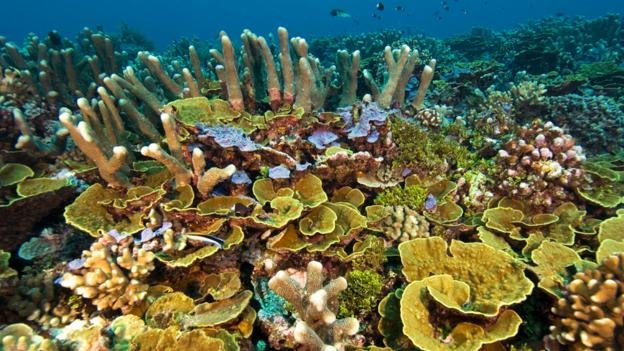
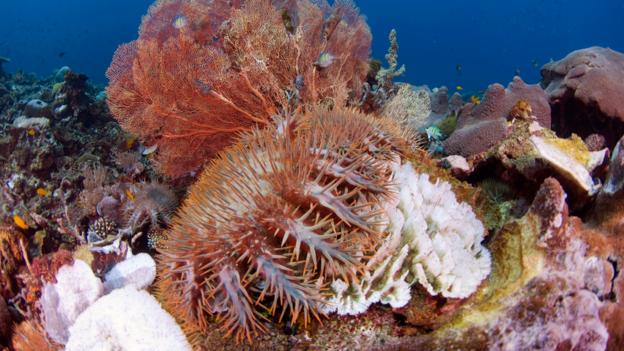
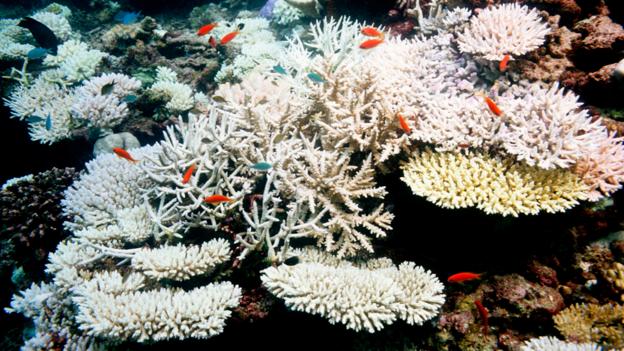
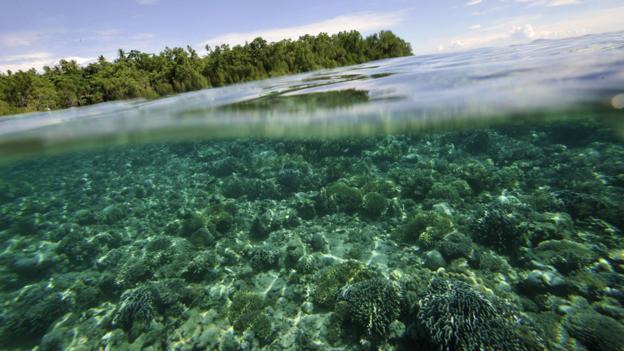
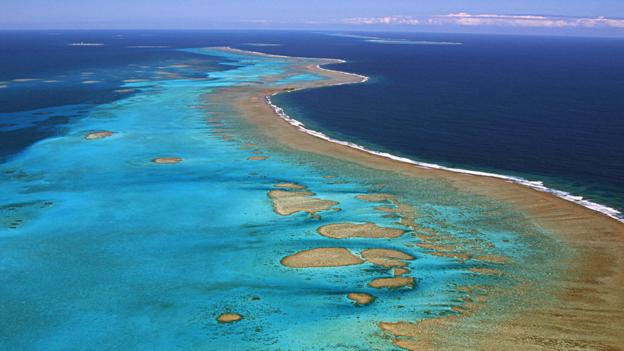
Endangered Coral Reefs in steep decline

Are we losing all of our coral reefs?


South Georgia prepares to cull its invasive reindeer and rats.

South Georgia prepares to cull its invasive reindeer

A reindeer greets three penguins on a South Georgia beach


Reindeer have caused great damage to the fragile South Georgian eco-system, trampling native plants and destroying birds' nests and penguin habitats.  

The world's mostly southerly herd of reindeer is to be culled to try to save the environment of the island of South Georgia. The 3,000 reindeer are trampling native plants, causing erosion and endangering king penguins and other local birds by destroying their nests and habitat. A team of Sami herdsmen from Norway have arrived and are preparing to round up and kill the reindeer. The operation is expected to take two southern hemisphere summers.

Worlds largest shark sanctuary in the Cook Islands

Cook Islands' shark sanctuary creates world's largest shark sanctuary

Jackfish following reef shark


As shark numbers fall, otherspecies further down the food chain are put at risk.   

Wildlife Crime Threatens Species and Nations

Wildlife crime profound threat to nations, says report


Tiger cub
 
A tiger cub rescued from smugglers in Thailand en route to China
 

The global illegal trade in wildlife

is worth $19bn (£12bn) a year and is threatening the stability of some governments according to new research. Carried out for conservation group WWF, a report highlights a "new wave" of organised wildlife crime by armed groups operating across borders. It says funds from trafficking are being used to finance civil conflicts. The study comes as Malaysian officials captured about 20 tonnes of ivory in one of the biggest seizures ever made.


“The bloody ivory trade has reached new heights of destruction and depravity in 2012”


Will Travers Born Free Foundation

According to Jim Leape, WWF International director

Proof of Climate Change - Global Warming in Europe

Flooded properties as the River Tiber, Rome, breaches its banks (Getty Images)


The cost of damage from extreme weather events is projected to increase in the future.


England's Fens are habitat for rare wildlife and biodiversity

Fens are rare wildlife 'hotspot'

Ouse washes


Ouse Washes is a Special Area of Conservation


The Fens are home to 25% of Britain's rarest wildlife and 13 globally rare species, according to a new report.

Researchers from the University of East Anglia studied over one million records collected by scientists and amateur enthusiasts that date back to 1670. The Fens Biodiversity Audit details evidence of 13,474 species of plants, insects, birds, fish and mammals. The area covered 3,800 km sq, spanning the Fenlands of Norfolk, Suffolk, Cambridgeshire and Lincolnshire. Christopher Panter, an ecologist from the school of Environmental Sciences at the University of East Anglia and one of the authors of the audit, commented: "One of the most surprising things was that, despite it being a very large area, most of the area was previously unrecorded."

 
Fantastic fens

Dolomedes fen raft spider
Predatory Great Raft Spider - East Anglica.

Data was collected from well-known fen sites such as

Pages

Email Addresses