Trees are carbon and methane sinks - we need billions more trees!
Trees might not be acting in the way we thought - this forest fitted with pipes can tell us why
By simulating the future atmosphere, scientists hope to understand whether trees will continue to act as the lungs of the planet.
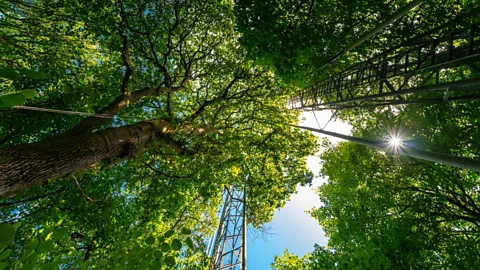
"The oak is the queen of her domain," says Rob MacKenzie as he gestures towards a giant towering above us. This oak tree has stood in this very spot since long before he or I walked the Earth.
Industrial wastelands to wildlife oases: Five nature wins that have actually worked:
World leaders are gathering in Cali, Colombia, to agree ways to save species from extinction and restore nature. Here are five powerful solutions to halt biodiversity loss.
There's a treasure trove of ways to save species in decline, and restore their habitats so they can live safely. In a healthy state, rich and biodiverse habitats can replenish our water, air, soil and reduce the risk of dangerous contagious diseases.
How rangers are using AI to help protect India's tigers in 2022
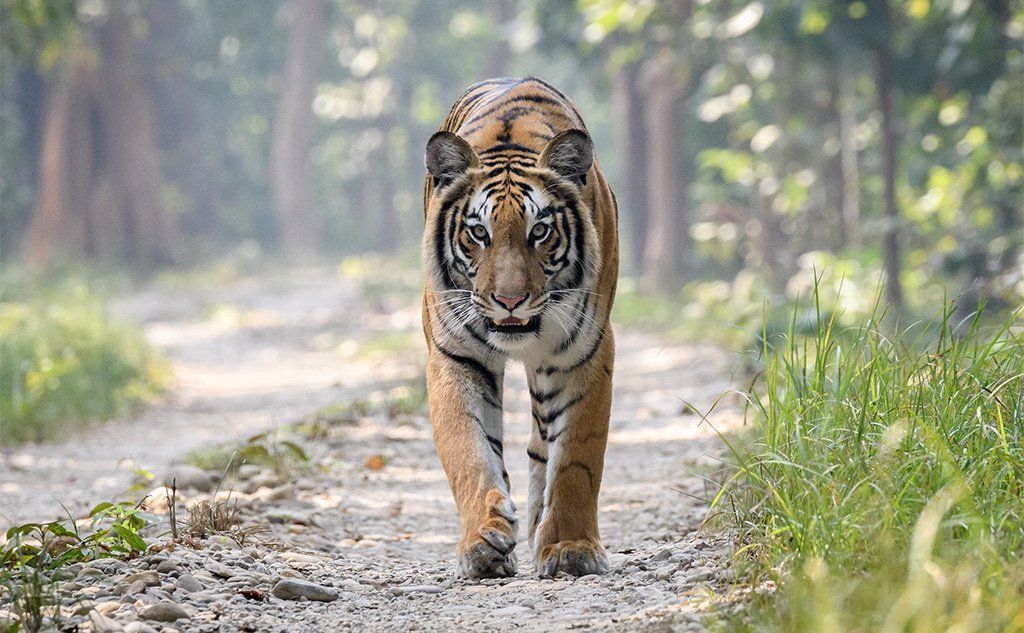
India has around 3,000 tigers
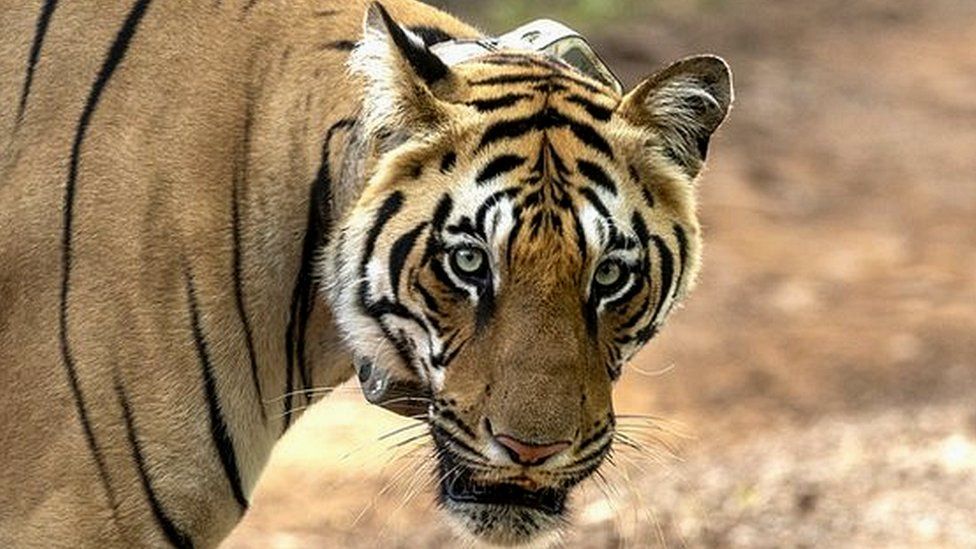
For 22 years vet, Akhilesh Mishra has been treating animals at Pench National Park in Madhya Pradesh state in India.
He does not hesitate to name the tiger as his favourite animal. "They are so magnificent and beautiful. I just need to feel their soft skin to feel relaxed" he says. "!When I treat an injured tiger and then they are able to go back to forest, it is an out of this world experience."
A tiger's life is not easy, he says, particularly for the females: "For me the tigress is much stronger than the male tiger. She fights so fearlessly for her cubs. She is a goddess - ready to take on a huge tiger who tries to harm her cubs."
Tanzania Elephant illegal ivory bought by China officials 2014
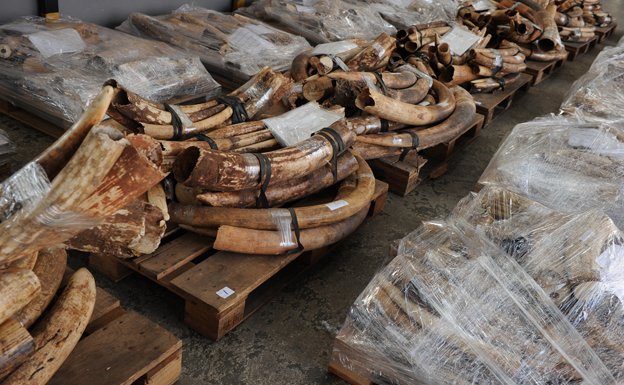
Ivory tusks seized during an anti-smuggling operation are displayed during a Hong Kong Customs press conference on October 20, 2012 Officials travelling to Tanzania with Chinese President Xi Jinping went on a buying spree for illegal ivory, an environmental activist group has said. The delegation bought so much ivory prices in the local market soared, the Environmental Investigation Agency (EIA) said in a report. Tanzania rejected the report as "stupid nonsense". China said the allegations were "groundless". Conservationists say demand for ivory in China is fuelling poaching. In recent years, poaching has increased across sub-Saharan Africa, with criminal gangs slaughtering elephants for ivory. Tanzania is the largest source of poached ivory in the world, according to the EIA. 'Security checks averted' The EIA report cited a trader in Tanzania's main port city, Dar es Salaam, named as Suleiman Mochiwa, who met undercover investigators. He said that when the Chinese government and business delegation arrived, ivory prices in the local market doubled to $700 (£438) per kilo during the visit. Earlier this year China destroyed a large quantity of confiscated ivory for the first time "The [delegation]... used the opportunity to procure such a large amount of ivory that local prices increased," the report says. Investigators alleged that the Chinese buyers could take advantage of a lack of security checks for those in the country on a diplomatic visit.
Some campaigners argue that the key issue for polar bears is climate change
Wildlife campaigners are at odds over a new attempt to ban the global trade in polar bear parts.
Some activists say the market for rugs and ornaments made from the bears is driving them to extinction, but others argue that the most pressing problem for the species is climate change and the disappearance of polar ice. The issue will be decided at a UN wildlife conservation meeting in Thailand in March 2013. The Humane Society International/UK says that polar bears have been brought to a tipping point by climate change but that increased hunting in recent years is pushing the species "beyond the brink."
“We can't be arguing for the science when it suits us and then ignore it when it doesn't suit our case”
Dr Colman O'CriodainWWF
"The drivers for the increase in recent years in the
Hong Kong 2012 largest illegal african elephant tusk ivory seizure
Hong Kong makes largest ivory seizure worth $3.4m
Ivory tusks are used in traditional medicine in Asia.
Hong Kong customs officials say they have confiscated nearly four tonnes of smuggled ivory - their largest seizure of products from endangered species.



 Улюблений

Recent comments