The 100 most distinct and rare birds Philippine's eagle: The Philippine's eagle is at number eight 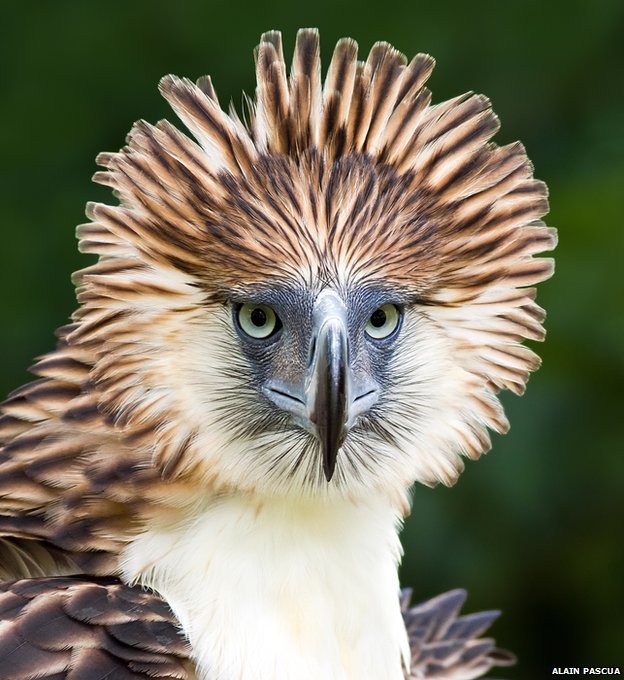 The world's 100 most distinctive and endangered birds have been determined. Scientists in the UK and US chose the birds based on their rarity, but also how distinctive their appearance, behaviour and evolutionary history was. The list of birds contains several of the world's largest and most striking, as well as other unusual species threatened with extinction. Included are the tooth-billed pigeon, known as the little dodo, the Philippine's eagle and a type of kiwi. Scientists at the Zoological Society of London (ZSL), UK and Yale University in New Haven, Connecticut, US created the list as part of the EDGE of Existence programme, which seeks to document the most uniquely vulnerable species on the planet. Details of the exercise are published in the journal Current Biology.
 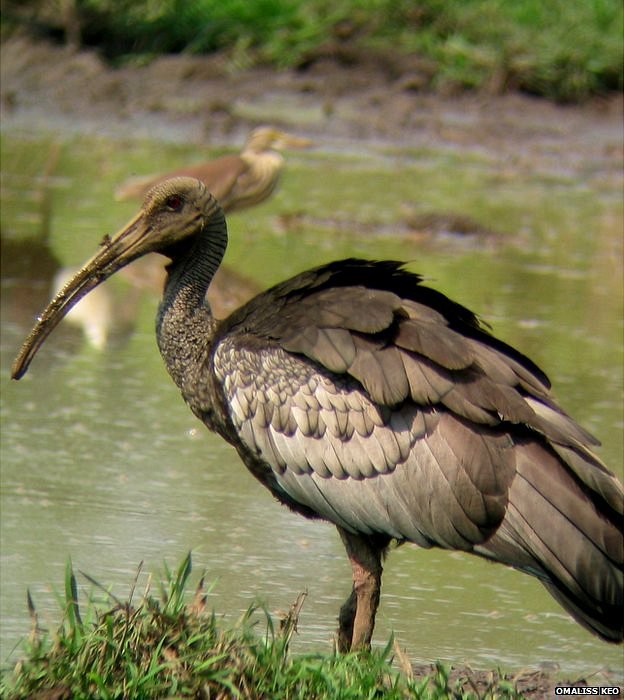 Giant ibis. The giant ibis stands tall at the top of the list At number one is a bird called the giant ibis. The largest member of the ibis and spoonbill family, the giant ibis stands over a metre tall, weighs 4.2kg and is the national bird of Cambodia. Despite this, fewer than 230 pairs remain. As well as being more distantly related to other members of its family, the giant ibis is expected to further decline in numbers due to habitat destruction and the predation of its eggs by mammals.


 Favorite


Recent comments