Languages

marine habitat

English

Climate change: recent, rapid ocean warming alarms scientists - 2023

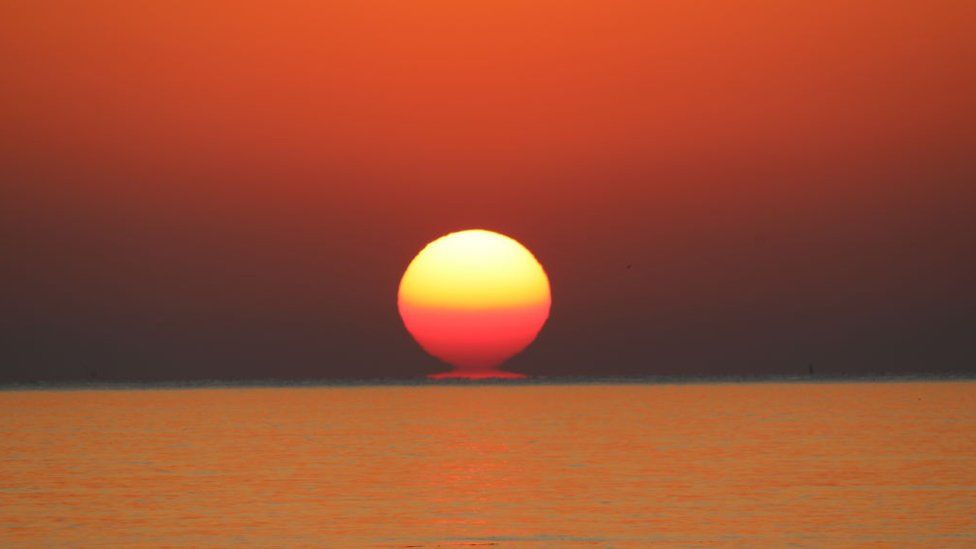
sun over the oceabn

A recent, rapid heating of the world's oceans has alarmed scientists concerned that it will add to global warming.

This month, the global sea surface hit a new record high temperature. It has never warmed this much, this quickly.

Scientists don't fully understand why this has happened.

But they worry that, combined with other weather events, the world's temperature could reach a concerning new level by the end of next year.

Experts believe that a strong El Niño weather event - a weather system that heats the ocean - will also set in over the next months.

March 2023 - Ocean treaty: Historic agreement reached after decade of talks


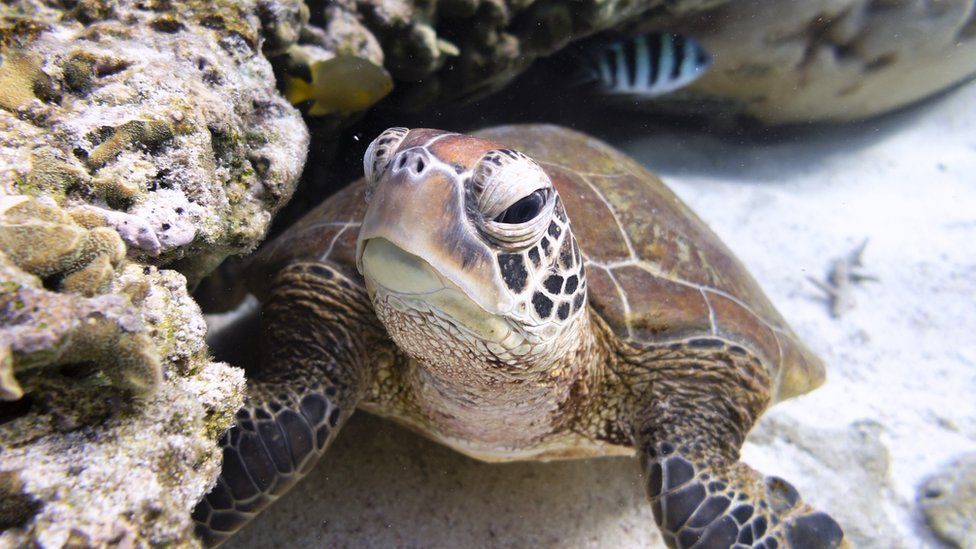
Sea turtle shelters under coral

Nations have reached a historic agreement to protect the world's oceans following 10 years of negotiations.

The High Seas Treaty places 30% of the seas into protected areas by 2030, aiming to safeguard and recuperate marine nature.

The agreement was reached on Saturday evening, after 38 hours of talks, at UN headquarters in New York.

The negotiations had been held up for years over disagreements on funding and fishing rights.

The last international agreement on ocean protection was signed 40 years ago in 1982 - the UN Convention on the Law of the Sea.

Marine Aquatic Habitat

Marine habitat - Oceans and seas form the largest habitat on the planet.
A large variety of animals live in the marine habitat, from tiny plankton to the largest animal in the world – the blue whale. Fish, whale, shark, jellyfish, crab, starfish, sea turtle, octopus, and seaweed are found in marine habitat.

Aquatic Habitat

Aquatic Habitat

The aquatic habitat comprises all the water bodies on the planet. It is mainly of three kinds: freshwater, marine, and coastal.

Massive coral bleaching killing Australia's Great Barrier Reef - 2016

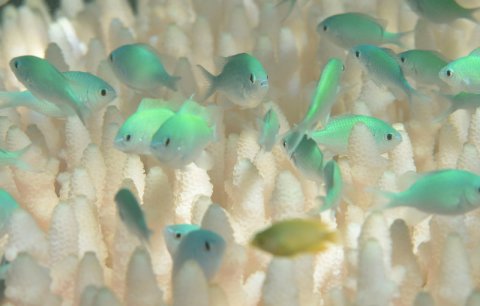
Fish swim amid bleached coral near Lizard Island, Australia, Great Barrier Reef
Coral - 4 stages of coral healthy, bleached, algal growth voer bleached dead coral
Coral - 4 stages of coral - healthy, bleached, algal growth voer bleached dead coral
Close-up of four staes of coral bleaching dying coral great barrier reef australia
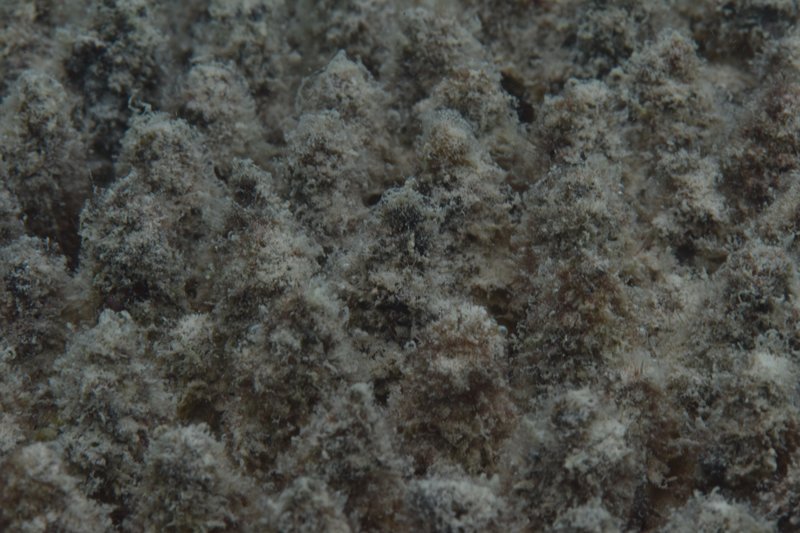
heavy algal overgrowth over bleached dying coral - Great Barrier Reef Australia

The massive bleaching hitting the Great Barrier Reef off the coast of Australia is likely that country's "biggest ever environmental disaster," says Dr. Justin Marshall, who has studied the reef for three decades. Fish swim amid bleached coral near Lizard Island, Australia, Great Barrier Reef Only 7 percent of the reef has escaped bleaching, according to researchers at the ARC Center of Excellence. Marshall, a professor at the University of Queensland, says the destructive phenomenon is happening in an area the size of Scotland. "Before this mass bleaching started, we already were at the point of losing 50% of the coral cover on the Great Barrier Reef. This, I think, will probably take another 50% off what was left," Marshall says. Over the course of the last six months, Marshall and his colleagues with the citizen science project Coral Watch have documented the degradation of reef structures near Lizard Island, one of the worst-hit areas. They photographed the same formations of coral multiple times, showing clearly the pace of the destruction.

Reptiles are going extinct

World's reptiles at risk of extinction


A mountain horned agama lizard


Many lizards are under threat, including the mountain horned agama of Sri Lanka


Almost a fifth of the world's reptile species are at risk of extinction, according to scientists.

Research led by the Zoological Society of London found that the future of 19% of the world's reptiles are threatened. Conservation experts also confirmed that 47% are vulnerable and highlighted the possible extinction of three species. The figures are based on a random sample of 1,500 of the world's reptile species. "It's essentially an election poll set up - using this sample to give an example of how reptiles are doing as a whole," explained Dr Monika Bohm, lead author of the study published in the journal Biological Conservation. The study was made in conjunction with 200 experts from the International Union for the Conservation of Nature's Species Survival Commission.


Lava lizard basks on the head of a marine iguana

Ocean Acidification destroying Antarctic marine life


Ocean Acidification destroying Antarctic marine life

The Southern Ocean


The research took place in the Southern Ocean


Marine snails in seas around Antarctica are being affected by ocean acidification, scientists have found.

An international team of researchers found that the snails' shells are being corroded. Experts says the findings are significant for predicting the future impact of ocean acidification on marine life. The results of the study are published in the journal Nature Geoscience. The marine snails, called "pteropods", are an important link in the oceanic food chain as well as a good indicator of ecosystem health.


"They are a major grazer of phytoplankton and... a key prey item of a number of higher predators - larger plankton, fish, seabirds, whales," said Dr Geraint Tarling, Head of Ocean Ecosystems at the British Antarctic Survey (BAS) and co-author of the report.

Email Addresses