Languages

Endangered Habitat

English

Humans Are Speeding Extinction and Altering the Natural World at an ‘Unprecedented’ Pace - 2019

WASHINGTON — Humans are transforming Earth’s natural landscapes so dramatically that as many as one million plant and animal species are now at risk of extinction, posing a dire threat to ecosystems that people all over the world depend on for their survival, a sweeping new United Nations assessment has concluded.

The 1,500-page report, compiled by hundreds of international experts and based on thousands of scientific studies, is the most exhaustive look yet at the decline in biodiversity across the globe and the dangers that creates for human civilization. A summary of its findings, which was approved by representatives from the United States and 131 other countries, was released Monday in Paris. The full report is set to be published this year.

Its conclusions are stark. In most major land habitats, from the savannas of Africa to the rain forests of South America, the average abundance of native plant and animal life has fallen by 20 percent or more, mainly over the past century. With the human population passing 7 billion, activities like farming, logging, poaching, fishing and mining are altering the natural world at a rate “unprecedented in human history.”

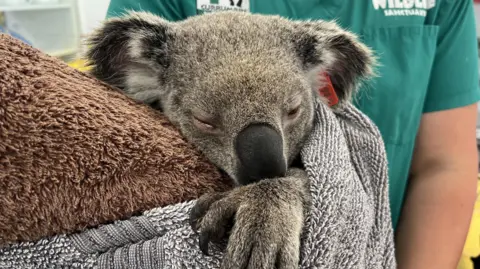
Chlamydia could make koalas extinct. 2024

Chlamydia could make koalas extinct. Can a vaccine save them in time?

Tiffanie Turnbull/BBC A drowsy koala wrapped in a towel and held by a vet

Joe Mangy is one of thousands of koalas treated for chlamydia each year

On the table, unconscious and stretched out on a pillow, Joe Mangy looks deceptively peaceful. The koala's watery, red-rimmed eyes are the only sign of the disease at war with his body.

Tubes snarl out of a mask covering his face as a vet tech listens to his chest with a stethoscope. He is not healing as well as they had hoped.

Habitat

Habitat can be defined as: 1. the natural environment of an organism; place that is natural for the life and growth of an organism. 2. the place where a person or thing is usually found. 3. a special environment for living in over an extended period. A habitat is the area or natural environment in which an organism or population normally lives. A habitat is made up of physical factors such as soil, moisture, range of temperature, and availability of light as well as biotic factors such as the availability of food and the presence of predators. A habitat is not necessarily a geographic area—for a parasitic organism it is the body of its host or even a cell within the host's body.