Languages

causes

English

African Elephant Poaching 2013

African elephant poaching threatens wildlife future.

Slain elephants, Tsavo National Park, Kenya
 
Kenya has strong anti-poaching regulations - yet still elephants die.
 

Three elephant corpses lay piled on top of one another under the scorching Kenyan sun.

Rhino poaching in South Africa reaches record levels

Rhino poaching in South Africa reaches record levels


dead rhino
 
A dead rhino is dehorned by a researcher in Zimbabwe.
 

Figures from the South African government indicate that poaching for rhinoceros has increased substantially in the last year.

A record 668 rhinos were killed for their horns in 2012, up almost 50% on the number for 2011. The majority of the animals were killed in the Kruger national park, the country's biggest wildlife reserve.


“Rhinos are being illegally killed...all for the frivolous use of their horns as a hangover cure” Sabri Zain TRAFFIC  

Experts say that growing demand for rhino horn in Asia is driving the slaughter.

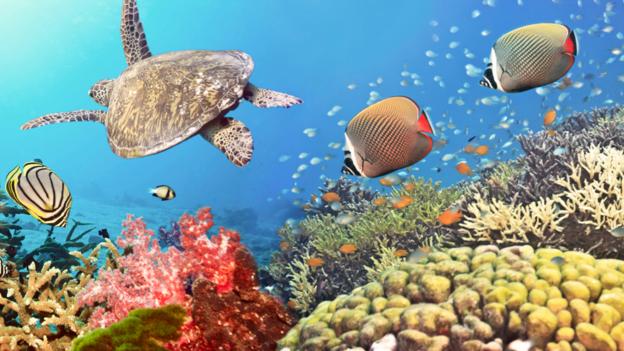
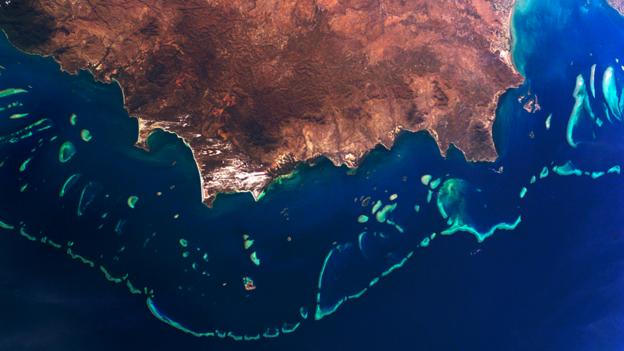
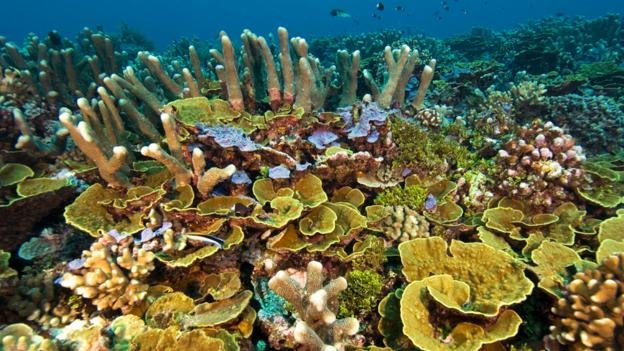
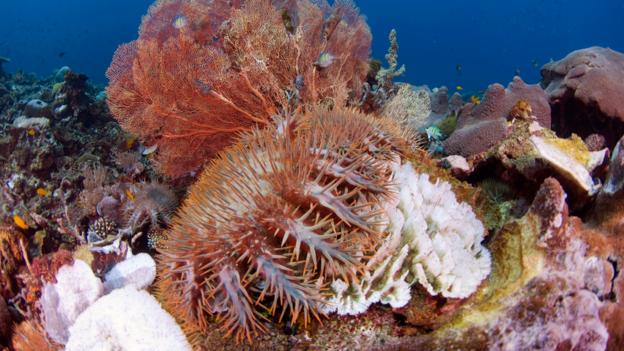
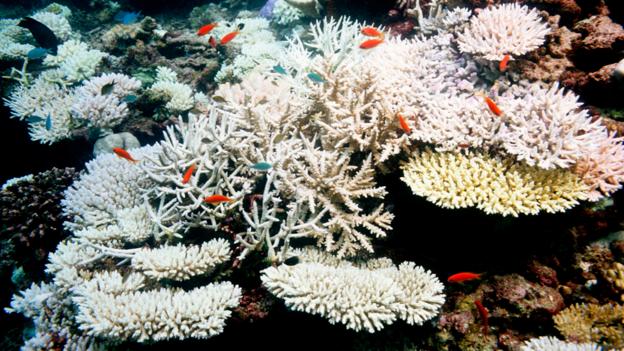
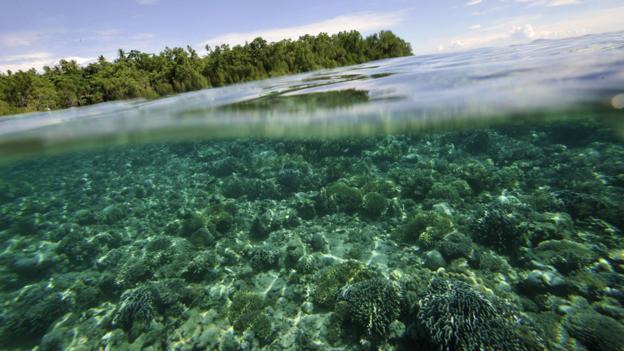
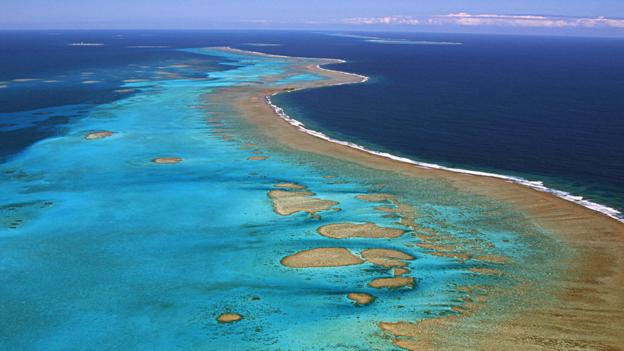
Endangered Coral Reefs in steep decline

Are we losing all of our coral reefs?


South Georgia prepares to cull its invasive reindeer and rats.

South Georgia prepares to cull its invasive reindeer

A reindeer greets three penguins on a South Georgia beach


Reindeer have caused great damage to the fragile South Georgian eco-system, trampling native plants and destroying birds' nests and penguin habitats.  

The world's mostly southerly herd of reindeer is to be culled to try to save the environment of the island of South Georgia. The 3,000 reindeer are trampling native plants, causing erosion and endangering king penguins and other local birds by destroying their nests and habitat. A team of Sami herdsmen from Norway have arrived and are preparing to round up and kill the reindeer. The operation is expected to take two southern hemisphere summers.

Threatened Shoebill numbers down to 3000

'Monster' bird reveals dark side


Shoebill chick is filmed attacking its younger sibling

Aggressive bullying between bizarre-looking shoebill chicks has been filmed for the first time. The encounter was captured at Bangweulu wetlands, near Kasanka, in northern Zambia for the BBC One series Africa. Wildlife filmmakers were surprised to witness an older chick attacking its younger sibling while their mother was foraging away from the nest. The birds are rare subjects for study because their swamp breeding grounds are very difficult to access. The team's aim was to shed light on the species by documenting intimate behaviour of shoebill parents and young at the nest. Siblicide, the phenomenon of offspring killing their siblings, is common among many larger birds.

Rhinos and Elephants - largest land animals - endangered

Rhinos and elephants: the secret lives of Africa's giants

Rhinos and elephants have a range of remarkable behaviours and adaptations, many of which we are only just learning. Emerging through the twilight, a beast lumbers forward, sniffing, snorting, searching for something. One of the largest animals to walk the earth, it is on a surprising mission. This black rhino is embarking on a midnight journey, seeking out other rhinos in the dark to socialise and mate with, sharing some never-before-seen tender moments.


Because despite their size, we are only just beginning to notice some remarkable behaviours and adaptations of elephants and rhinos. These two groups are the largest terrestrial animals. The three species of elephant range from 5.5 tonnes for an average male African bush elephant to 2.7 tonnes for female Asian elephants.

Rhinos, of which there are five species, can exceed 3.5 tonnes. Their size makes them relatively easy to spot and an easy target for poachers, who continue to hunt both groups of large mammal in significant numbers: elephants mainly for ivory in their tusks and rhinos for their horns. They have all been extensively studied by scientists, in the field and also in wildlife parks, breeding centres and zoos. But much about them, and what they get up to, remains a mystery, with many discoveries into their behaviour and adaptations only being made recently. We are still struggling to understand just how unique are different populations of these megafauna.

Wildlife Crime Threatens Species and Nations

Wildlife crime profound threat to nations, says report


Tiger cub
 
A tiger cub rescued from smugglers in Thailand en route to China
 

The global illegal trade in wildlife

is worth $19bn (£12bn) a year and is threatening the stability of some governments according to new research. Carried out for conservation group WWF, a report highlights a "new wave" of organised wildlife crime by armed groups operating across borders. It says funds from trafficking are being used to finance civil conflicts. The study comes as Malaysian officials captured about 20 tonnes of ivory in one of the biggest seizures ever made.


“The bloody ivory trade has reached new heights of destruction and depravity in 2012”


Will Travers Born Free Foundation

According to Jim Leape, WWF International director

Ocean Acidification destroying Antarctic marine life


Ocean Acidification destroying Antarctic marine life

The Southern Ocean


The research took place in the Southern Ocean


Marine snails in seas around Antarctica are being affected by ocean acidification, scientists have found.

An international team of researchers found that the snails' shells are being corroded. Experts says the findings are significant for predicting the future impact of ocean acidification on marine life. The results of the study are published in the journal Nature Geoscience. The marine snails, called "pteropods", are an important link in the oceanic food chain as well as a good indicator of ecosystem health.


"They are a major grazer of phytoplankton and... a key prey item of a number of higher predators - larger plankton, fish, seabirds, whales," said Dr Geraint Tarling, Head of Ocean Ecosystems at the British Antarctic Survey (BAS) and co-author of the report.

Carbon cuts too slow to stop global warming

Doha
 
The report is meant to inform climate negotiators who will gather in the Qatari capital next week

A report by the UN says global attempts to curb emissions of CO2 are falling well short of what is needed to

stem dangerous climate change. The UN's Environment Programme says greenhouse gases are 14% above where they need to be in 2020 for temperature rises this century to remain below 2C. The authors say this target is still technically achievable. But the opportunity is likely to be lost without swift action by governments, they argue. Negotiators will meet in Doha, Qatar for the UN Climate Change Conference (COP18) next week to resume talks aimed at securing a global deal on climate by 2015.


“The report provides a sobering assessment of the gulf

  between ambition and reality.”  Achim Steiner Unep Executive Director  

The Emissions Gap Report 2012 has been compiled by 55 scientists from 20 countries. It says

Proof of Climate Change - Global Warming in Europe

Flooded properties as the River Tiber, Rome, breaches its banks (Getty Images)


The cost of damage from extreme weather events is projected to increase in the future.


Pages

Email Addresses