Ocean Acidification destroying Antarctic marine life

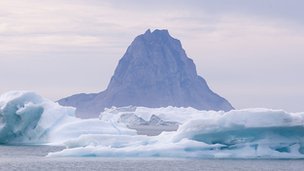
The research took place in the Southern Ocean
Marine snails in seas around Antarctica are being affected by ocean acidification, scientists have found.
An international team of researchers found that the snails' shells are being corroded. Experts says the findings are significant for predicting the future impact of ocean acidification on marine life. The results of the study are published in the journal Nature Geoscience. The marine snails, called "pteropods", are an important link in the oceanic food chain as well as a good indicator of ecosystem health.
"They are a major grazer of phytoplankton and... a key prey item of a number of higher predators - larger plankton, fish, seabirds, whales," said Dr Geraint Tarling, Head of Ocean Ecosystems at the British Antarctic Survey (BAS) and co-author of the report.

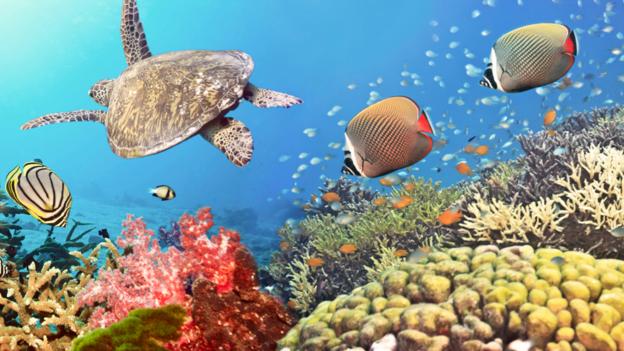
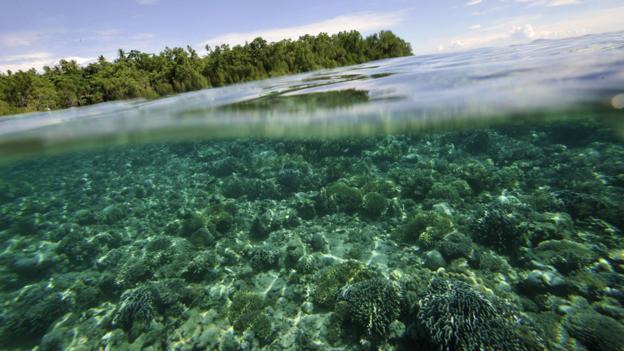
 Reef in Bermuda. Healthy coral reefs have declined by about 50% in the past 40 years Many of the Caribbean's coral reefs could vanish in the next 20 years, according to a report published by the International Union for the Conservation of Nature (IUCN). Data from more than 35,000 surveys suggests that habitats have declined by more than 50% since the 1970s. The report's authors believe that over-fishing and disease is mainly to blame. They say the trend could continue if nothing is done, but with protection the reefs could bounce back. Carl Gustaf Lundin, director of IUCN's Global Marine and Polar Programme, said the findings were alarming. "The reefs support a number of different countries and populations," he said. "Tourism is one of the biggest industries, and the health of the reef is essential to the well-being of many of the people living there. And of course they are immensely beautiful and wonderful places as well."
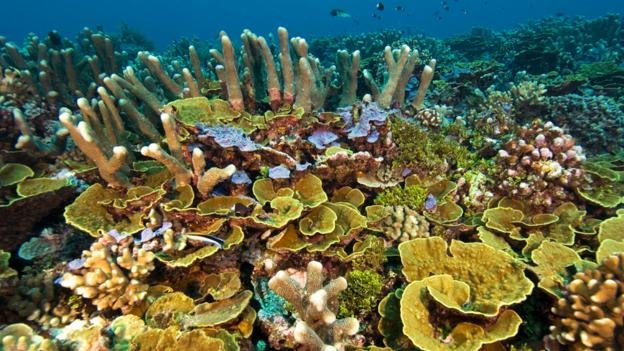
  Reef overrun with algae The reefs are becoming over-run with algae, which suffocates the coral. The report, which was also authored by the Global Coral Reef Monitoring Network, looked at data collected between 1970 and 2012 from 90 reef habitats and is the most comprehensive assessment of corals in this region.

 Улюблений

Recent comments