Languages

2010-2019

English

2013 estimate of 2100 sea level rise due to melting ice

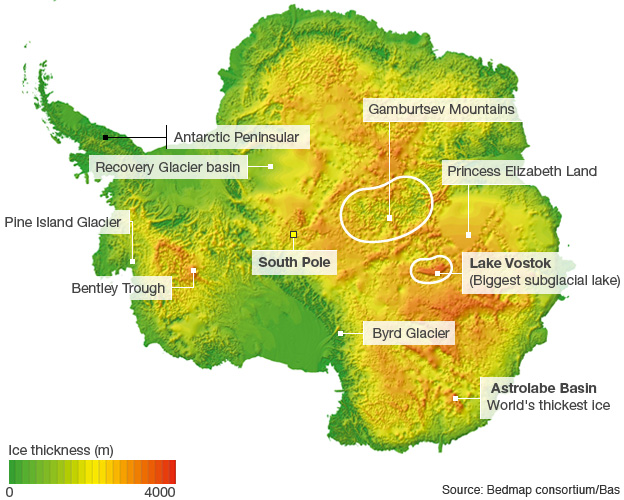
Antarctica-ice-thickness-2013

'Best estimate' for impact of melting ice on sea level rise Researchers say they now have the most accurate estimate yet for the impact of the melting of ice sheets. Researchers have published their most advanced calculation for the likely impact of melting ice on global sea levels. The EU funded team say the ice sheets and glaciers could add 36.8 centimetres to the oceans by 2100. Adding in other factors, sea levels could rise by up to 69 centimetres, higher than previous predictions. The researchers say there is a very small chance that the seas around Britain could rise by a meter. “The previous IPCC identified this gap in our knowledge, we've addressed that gap and what we've found is not scary” Prof Tony Payne, University of Bristol The last Intergovernmental Panel on Climate Change (IPCC) report was highly detailed about many aspects of Earth's changing climate in the coming decades, Advanced models While they estimated that sea levels could rise by 18-59 centimetres by 2100, they were very unsure about the role played by the melting of ice sheets and mountain glaciers. To fill the void, the EU funded experts from 24 institutions in Europe and beyond to try and come up with more accurate figures on the melting of ice sheets and glaciers in Antarctica and Greenland and how this might swell the oceans. Called Ice2sea, the group of scientists have made what they term the "best estimate" yet of the impact of melting based on a mid-range level of carbon emissions that would increase global temperatures by 3.5C by the end of this century.

Mercury exposure linked to dramatic decline in Arctic foxes

arctic fox
arctic foxes

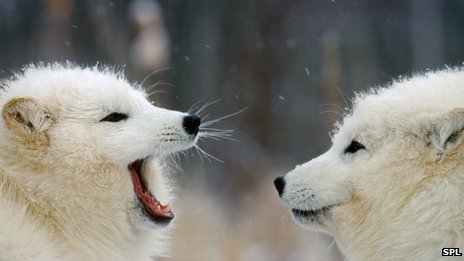
According to the research, the levels of mercury found in Arctic foxes depend on their diets Scientists say that foxes in Arctic regions who feed on ocean prey are being exposed to dangerous levels of mercury. On one Russian island where the population of foxes has crashed, the researchers believe the toxin has played a key role in the decline. They say the findings could have important implications for conservation. The data is published in the Journal, PLOS ONE. Mercury levels in the world's oceans have doubled over the past 100 years, according to the UN, with more mercury deposited in the Arctic than on any other part of the planet. The Arctic Council says there has been a ten-fold increase in the levels of mercury found in top predators in the region over the past 150 years. Hair of the dog Now a team of researchers says it has found significant levels of mercury in different populations of Arctic foxes in different environments. On the small Russian island of Mednyi, part of the Commander Islands chain in the North Pacific Ocean, the foxes survive almost exclusively on sea birds with some also eating seal carcasses. The island's fox population declined mysteriously in the 1970s, and while the population is currently stable many of them are in poor condition, and have low body weight. They are listed as a critically endangered species with IUCN. Scientists at one time believed their shrinking numbers were caused by an infection, but they couldn't find the underlying cause.

Arctic Ocean is acidifying rapidly

Arctic - Saunders Island and Wolstenholme Fjord with Kap Atoll
arctic volcano

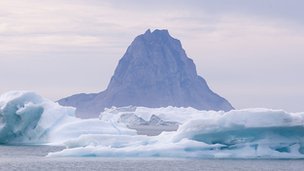
Arctic Ocean 'acidifying rapidly' Photo1: Saunders Island and Wolstenholme Fjord with Kap Atholl in the background is shown in this picture taken during an Operation IceBridge survey flight in April 2013. Photo 2: arctic volcano. The Arctic seas are being made rapidly more acidic by carbon-dioxide emissions, according to a new report. Scientists from Norway's Center for International Climate and Environmental Research monitored widespread changes in ocean chemistry in the region. They say even if CO2 emissions stopped now, it would take tens of thousands of years for Arctic Ocean chemistry to revert to pre-industrial levels. Many creatures, including commercially valuable fish, could be affected. They forecast major changes in the marine ecosystem, but say there is huge uncertainty over what those changes will be. It is well know that CO2 warms the planet, but less well-known that it also makes the alkaline seas more acidic when its absorbed from the air.

Reptiles are going extinct

World's reptiles at risk of extinction


A mountain horned agama lizard


Many lizards are under threat, including the mountain horned agama of Sri Lanka


Almost a fifth of the world's reptile species are at risk of extinction, according to scientists.

Research led by the Zoological Society of London found that the future of 19% of the world's reptiles are threatened. Conservation experts also confirmed that 47% are vulnerable and highlighted the possible extinction of three species. The figures are based on a random sample of 1,500 of the world's reptile species. "It's essentially an election poll set up - using this sample to give an example of how reptiles are doing as a whole," explained Dr Monika Bohm, lead author of the study published in the journal Biological Conservation. The study was made in conjunction with 200 experts from the International Union for the Conservation of Nature's Species Survival Commission.


Lava lizard basks on the head of a marine iguana

Spoon-billed sandpipers threatened by trapping - China

Spoon-billed sandpipers threatened by trapping in China

Spoon-billed sandpiper feeding


Endangered spoon-billed sandpipers arriving at their wintering grounds in China are being threatened by nets designed to trap shorebirds.

The spoon-billed sandpiper is one of the world's rarest birds. Recent sightings of the bird at several new sites along the coast of southern China indicate the species is more widespread than thought. But the study also found evidence of large-scale shorebird trapping using "mist nets" in some of these key areas. Last month four spoon-billed sandpipers were sighted at new wintering grounds in Fucheng, south-west Guangdong Province: the latest evidence that the bird is migrating to more widespread areas in China than previously known.

 
Wonderful waders

Bittern

Members of the Hong Kong Bird Watching Society discovered a group of the critically endangered birds in partially drained fishponds in Fucheng.

Rhino poaching in South Africa reaches record levels

Rhino poaching in South Africa reaches record levels


dead rhino
 
A dead rhino is dehorned by a researcher in Zimbabwe.
 

Figures from the South African government indicate that poaching for rhinoceros has increased substantially in the last year.

A record 668 rhinos were killed for their horns in 2012, up almost 50% on the number for 2011. The majority of the animals were killed in the Kruger national park, the country's biggest wildlife reserve.


“Rhinos are being illegally killed...all for the frivolous use of their horns as a hangover cure” Sabri Zain TRAFFIC  

Experts say that growing demand for rhino horn in Asia is driving the slaughter.

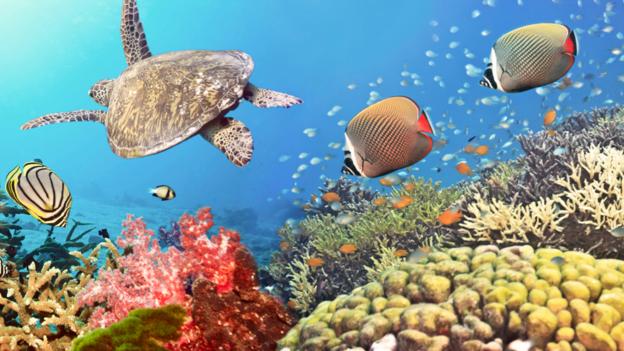
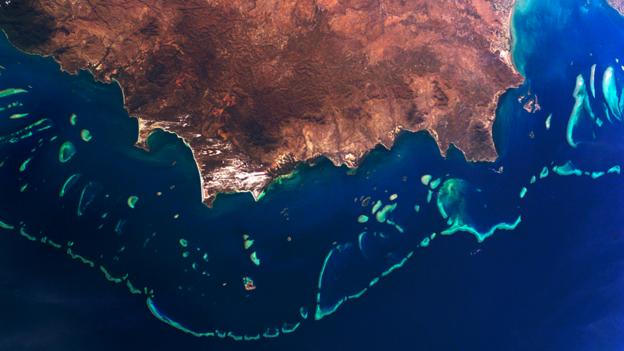
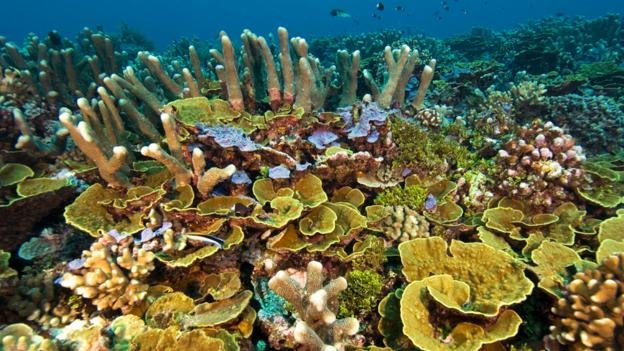
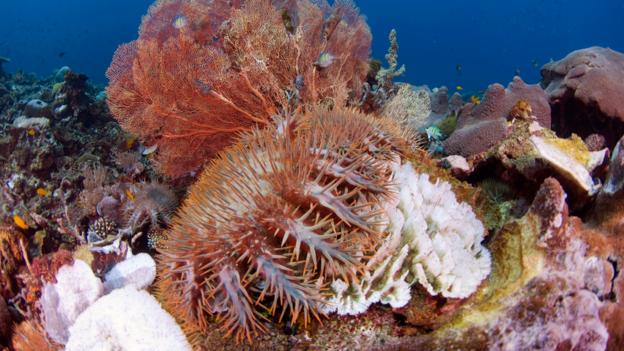
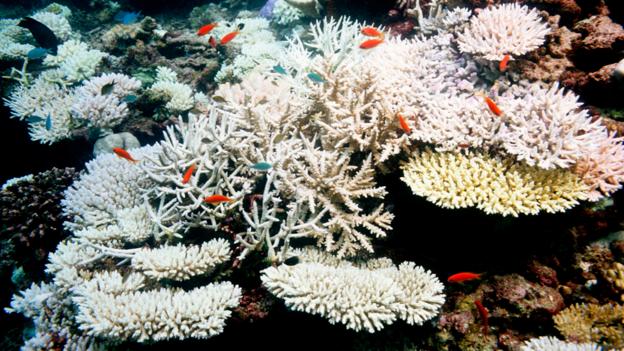
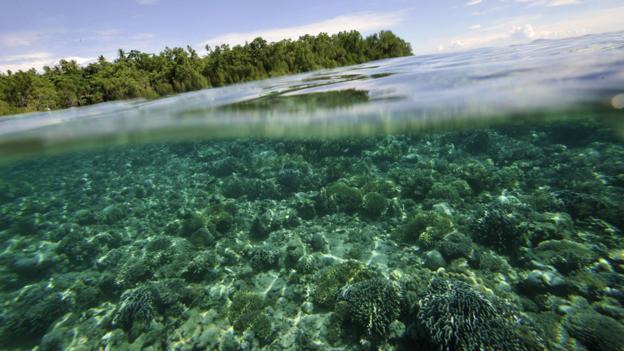
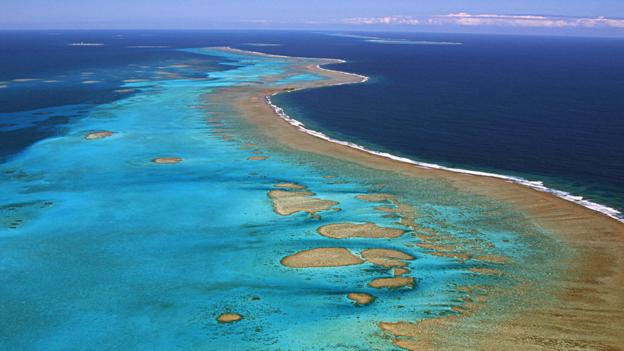
Endangered Coral Reefs in steep decline

Are we losing all of our coral reefs?


South Georgia prepares to cull its invasive reindeer and rats.

South Georgia prepares to cull its invasive reindeer

A reindeer greets three penguins on a South Georgia beach


Reindeer have caused great damage to the fragile South Georgian eco-system, trampling native plants and destroying birds' nests and penguin habitats.  

The world's mostly southerly herd of reindeer is to be culled to try to save the environment of the island of South Georgia. The 3,000 reindeer are trampling native plants, causing erosion and endangering king penguins and other local birds by destroying their nests and habitat. A team of Sami herdsmen from Norway have arrived and are preparing to round up and kill the reindeer. The operation is expected to take two southern hemisphere summers.

Threatened Shoebill numbers down to 3000

'Monster' bird reveals dark side


Shoebill chick is filmed attacking its younger sibling

Aggressive bullying between bizarre-looking shoebill chicks has been filmed for the first time. The encounter was captured at Bangweulu wetlands, near Kasanka, in northern Zambia for the BBC One series Africa. Wildlife filmmakers were surprised to witness an older chick attacking its younger sibling while their mother was foraging away from the nest. The birds are rare subjects for study because their swamp breeding grounds are very difficult to access. The team's aim was to shed light on the species by documenting intimate behaviour of shoebill parents and young at the nest. Siblicide, the phenomenon of offspring killing their siblings, is common among many larger birds.

Rhinos and Elephants - largest land animals - endangered

Rhinos and elephants: the secret lives of Africa's giants

Rhinos and elephants have a range of remarkable behaviours and adaptations, many of which we are only just learning. Emerging through the twilight, a beast lumbers forward, sniffing, snorting, searching for something. One of the largest animals to walk the earth, it is on a surprising mission. This black rhino is embarking on a midnight journey, seeking out other rhinos in the dark to socialise and mate with, sharing some never-before-seen tender moments.


Because despite their size, we are only just beginning to notice some remarkable behaviours and adaptations of elephants and rhinos. These two groups are the largest terrestrial animals. The three species of elephant range from 5.5 tonnes for an average male African bush elephant to 2.7 tonnes for female Asian elephants.

Rhinos, of which there are five species, can exceed 3.5 tonnes. Their size makes them relatively easy to spot and an easy target for poachers, who continue to hunt both groups of large mammal in significant numbers: elephants mainly for ivory in their tusks and rhinos for their horns. They have all been extensively studied by scientists, in the field and also in wildlife parks, breeding centres and zoos. But much about them, and what they get up to, remains a mystery, with many discoveries into their behaviour and adaptations only being made recently. We are still struggling to understand just how unique are different populations of these megafauna.

Pages

Email Addresses