Languages

usa

English

Fossil fuel subsidies a reckless use of public funds

The world is spending half a trillion dollars on fossil fuel subsidies every year, according to a new report. The Overseas Development Institute (ODI) says rich countries are spending seven times more supporting coal, oil and gas than they are on helping poorer nations fight climate change. Fuel subsidies to US farmers amounted to $1bn in 2011 says the ODI. Some countries including Egypt, Morocco and Pakistan, have subsidies bigger than the national fiscal deficit. The new report calls on the G20 to phase out the payments by 2020. While there is no globally agreed definition of what a fossil fuel subsidy actually is, the report draws on a range of sources from the International Monetary Fund to the International Energy Agency. It details the range of financial help given to oil, coal and gas producers and consumers from national governments and through international development. What emerges is a complicated web of different types of payments in different countries. In the United States, for example, the government in 2011 gave a $1bn fuel tax exemption to farmers, $1bn for the strategic petroleum reserve and $0.5bn for oil, coal and gas research and development. Germany gave financial assistance totalling 1.9bn euro to the hard coal sector in the same year. And the UK gave tax concessions worth £280m in 2011 for oil and gas production. Pakistan is a country with the second highest number of children out of school in the world. It has some of the worst nutrition, maternal mortality and child health indicators.

Mercury exposure linked to dramatic decline in Arctic foxes

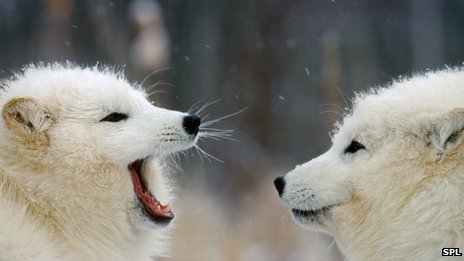
arctic fox
arctic foxes

According to the research, the levels of mercury found in Arctic foxes depend on their diets Scientists say that foxes in Arctic regions who feed on ocean prey are being exposed to dangerous levels of mercury. On one Russian island where the population of foxes has crashed, the researchers believe the toxin has played a key role in the decline. They say the findings could have important implications for conservation. The data is published in the Journal, PLOS ONE. Mercury levels in the world's oceans have doubled over the past 100 years, according to the UN, with more mercury deposited in the Arctic than on any other part of the planet. The Arctic Council says there has been a ten-fold increase in the levels of mercury found in top predators in the region over the past 150 years. Hair of the dog Now a team of researchers says it has found significant levels of mercury in different populations of Arctic foxes in different environments. On the small Russian island of Mednyi, part of the Commander Islands chain in the North Pacific Ocean, the foxes survive almost exclusively on sea birds with some also eating seal carcasses. The island's fox population declined mysteriously in the 1970s, and while the population is currently stable many of them are in poor condition, and have low body weight. They are listed as a critically endangered species with IUCN. Scientists at one time believed their shrinking numbers were caused by an infection, but they couldn't find the underlying cause.

Dying wetland trees along Virginia's coastline are evidence that rising sea levels threaten nature and humans

Virginia's dying marshes and climate change denial

      'Ghost trees' are victims of rising sea levels  

Dying wetland trees along Virginia's

coastline are evidence that rising sea levels threaten nature and humans, scientists say - and show the limits of political action amid climate change scepticism. Dead trees loom over the marsh like the bones of a whale beached long ago. In the salt marshes along the banks of the York River in the US state of Virginia, pine and cedar trees and bushes of holly and wax myrtle occupy small islands, known as hummocks. But as the salty estuary waters have risen in recent years, they have drowned the trees on the hummocks' lower edges. If - when - the sea level rises further, it will inundate and drown the remaining trees and shrubs, and eventually sink the entire marsh. That threatens the entire surrounding ecosystem, because fish, oysters and crabs depend on the marsh grass for food.

Bryan Watts

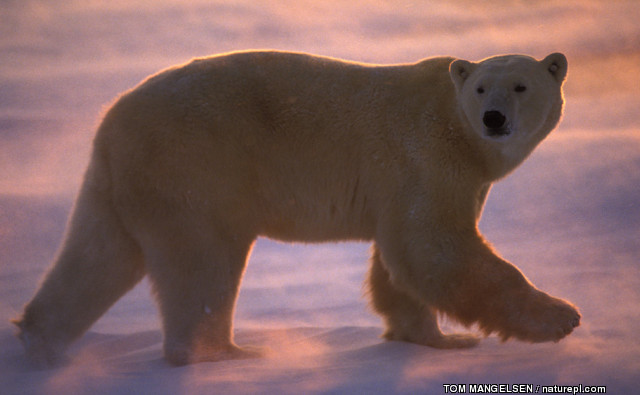
Polar Bear

Bear (Polar)

Polar Bear

Polar bear: Ursus maritimus

Distribution: northern polar regions occurring in 5 nations - Greenland, Norway, Canada, United States, the former Soviet Union and also on Arctic sea pack ice usually within 300km of land. Some individuals wander up to 200km inland.

Population: 20,000 - 25,000 with 60% living in Canada. Status: vulnerable species (IUCN).

Habitat: favourite habitat is a combination of pack ice, open water and coastal land.

Description: coat colour varies from pure white to shades of yellow. Small ears; black eyes and nose.

Height: 1.6m to shoulder

Length: 2.2 - 2.5m.

Size of feet: 30cm long, 25cm wide.

Pages

Email Addresses