Languages

endangered species

English

South and Central America

South and Central America are home to many threatened species, endangered species and critically endangered species at risk of extinction, like the Andean Bear, the Andean Cat, the Andean Hairy Armadillo, the Andean Titi Monkey, the Giant Anteater, the Golden Lion Tamarin, the Jaguar, the Little Spotted Cat, the Mountain Tapir, the Red-handed Howler Monkey, and more.

North America

North America is home to many threatened species, endangered species and critically endangered species at risk of extinction, like the grizzly bear, the arctic fox, the Florida black panther, the wolf, the cougar and mountain lion, and more.

Europe

Europe is home to many threatened species, endangered species and critically endangered species at risk of extinction, like the brown bear, the wolf, and more.

Australia, New Zealand & Oceania

Australia, New Zealand and Oceania are home to many threatened species, endangered species and critically endangered species at risk of extinction; like the Tazmanian Devil, the Common Black Lemur, the Comoro Black Flying Fox,  the Philipine Brown Deer, and more.

Asia

Asia is home to many threatened species, endangered species and critically endangered species at risk of extinction; like the Asian elephant, the Bengal tiger, the Amur tiger, the rhinoceros (rhino), the snow leopard, and more.

Africa

Africa is home to many threatened species, endangered species and critically endangered species; like the elephant, lion, giraffe, hippopotomus, rhino, cheetah, leopard, and more. Many African large mammals are in real danger of extinction.

20% of Reptiles Threatened - 2022

One in five reptiles is threatened with extinction, according to the first comprehensive assessment of more than 10,000 species across the world.

Scientists are calling for urgent conservation action for crocodiles and turtles, which are in a particularly dire situation.

They say reptiles have long been overlooked in conservation, because they are seen as less charismatic than "furry and feathery" creatures.

So far, 31 species have gone extinct.

The study, published in Nature, took more than 15 years to complete, because of problems getting funding for the work.

"Reptiles to many people are not charismatic and there's been a lot more focus on more furry, feathery species of vertebrates for conservation," said Dr Bruce Young of the international nature organisation, NatureServe.

- The venomous king cobra is in decline because of deforestation and human persecution

- Geckos are vanishing in parts of the world due to wildlife trade

- The mugger crocodile: Threatened by habitat destruction and human conflict

- Jamaican iguana: Reptiles on islands face risks from invasive species and sea level rise

Despite their low publicity profile, the cold-blooded vertebrates play an essential role in the balance of life.

"Reptiles are good for people because they help control pests such as insects and rodents," said Prof Blair Hedges of Temple University in Philadelphia, US.

South Georgia prepares to cull its invasive reindeer and rats.

South Georgia prepares to cull its invasive reindeer

A reindeer greets three penguins on a South Georgia beach


Reindeer have caused great damage to the fragile South Georgian eco-system, trampling native plants and destroying birds' nests and penguin habitats.  

The world's mostly southerly herd of reindeer is to be culled to try to save the environment of the island of South Georgia. The 3,000 reindeer are trampling native plants, causing erosion and endangering king penguins and other local birds by destroying their nests and habitat. A team of Sami herdsmen from Norway have arrived and are preparing to round up and kill the reindeer. The operation is expected to take two southern hemisphere summers.

Proof of Climate Change - Global Warming in Europe

Flooded properties as the River Tiber, Rome, breaches its banks (Getty Images)


The cost of damage from extreme weather events is projected to increase in the future.


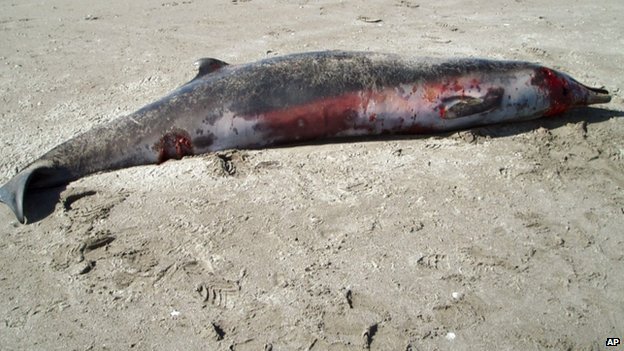
Spade-toothed beaked whale - world's rarest whale

Spade-toothed beaked whale

The world's rarest whale has been identified - two years after two of them washed up in New Zealand.

An adult female spade-toothed beaked whale and her calf were found beached in 2010, but they were mistaken for a more common type of whale and buried. When tests were done about six months later on samples taken from the mammals, they showed they were actually the rare spade-toothed beaked kind. The whales are so rare that nobody has ever seen one alive.

This year scientists returned to dig out the skeletons of the two whales, so they could study them. It wasn't an easy task and they found the mother's skull had been washed out to sea. Previously, only skull fragments have been discovered and that's only happened three times.

The spade-toothed beaked whale

The spade-toothed beaked whale gets its name because males have wide, blade-like, tusk teeth. Both males and females have beaks which make them look like dolphins. Not much is known about the whales, except that they live in the South Pacific Ocean and eat mainly squid.

Pages