Languages

2010-2019

English

The illegal ivory trade threatening African Elephants

The illegal ivory trade threatening Africa's elephants


Nairobi's elephant orphanage cares for babies of mothers killed by poachers.

Despite a 23-year ban on international trade in ivory, elephants continue to be shot for their prized tusks, with much of the material ending up on sale in China. The very future of the African elephant, the largest land animal on Earth, could be at risk. Last year saw the highest number of large seizures of illegal ivory for more than two decades. From Kenya to Zambia, African law-enforcement and conservation authorities are facing a continuing battle with the poachers. And it is in the Democratic Republic of Congo, where governance is at its weakest, that the elephant population is being hit hardest, with thousands of elephants killed each year. Conservationists have recorded steep declines in population and fear fewer than 20,000 of the region's forest elephants remain in the Congo basin.  

Human Dependency on Nature

Humanity depends on Nature - on habitat for food availablity, pollution control, water purification, and agriculture; on other species for food availability, pollution control and pollination; on the atmospheric and oceanic currents for temperature control and freshwater generation and distribution; on atmosphic layers to protect us from cosmic radiation; and much, much more.

We could never afford to do what Nature does for us - we don't have the capacity or ability, and it would cost us thousands or millions times more than the total wealth of the planet - if we could.

Furthermore, human engineering, rather than replacing Nature, only causes more pollution, which makes the situation worse.

Neither can we find another planet in Space to go live on. We do not know of any other habitable planets, and we do not have the technology to get us there, when we do. Furthermore, this "option" will only be available for a very select few and will be horribly expensive, and won't come before the 22nd century, most likely. Planet Earth and our Human civilization won't survive that long unless we change the way we live dramatically.

The only answer for our Human survival is to reduce and limit our numbers, reduce and limit our development and destruction of the natural world, and reduce and limit our types and amounts of pollution. That is the only way we can save Nature, which we are part of, and upon which we depend absolutely.

Whale entanglements may be dropping but the threat remains.


The number of whales entangled in fishing gear has declined recently, but the entanglements remain a critical threat to rare species, the federal government said in a report released Tuesday.

A Right Whale with calf entangled in fishing nets off the Georgia, USA coast - 2021

There were 53 confirmed cases of large whales entangled in gear in the U.S. in 2020, the National Oceanic and Atmospheric Administration said Tuesday. That was a 25% decline from the previous year and a lower figure than the 13-year average, the agency said.

Entanglement in fishing gear is one of the two biggest threats to declining species of whales, particularly North Atlantic right whales, which number less than 340 in the world. The other threat is collisions with ships.


20% of Reptiles Threatened - 2022

One in five reptiles is threatened with extinction, according to the first comprehensive assessment of more than 10,000 species across the world.

Scientists are calling for urgent conservation action for crocodiles and turtles, which are in a particularly dire situation.

They say reptiles have long been overlooked in conservation, because they are seen as less charismatic than "furry and feathery" creatures.

So far, 31 species have gone extinct.

The study, published in Nature, took more than 15 years to complete, because of problems getting funding for the work.

"Reptiles to many people are not charismatic and there's been a lot more focus on more furry, feathery species of vertebrates for conservation," said Dr Bruce Young of the international nature organisation, NatureServe.

- The venomous king cobra is in decline because of deforestation and human persecution

- Geckos are vanishing in parts of the world due to wildlife trade

- The mugger crocodile: Threatened by habitat destruction and human conflict

- Jamaican iguana: Reptiles on islands face risks from invasive species and sea level rise

Despite their low publicity profile, the cold-blooded vertebrates play an essential role in the balance of life.

"Reptiles are good for people because they help control pests such as insects and rodents," said Prof Blair Hedges of Temple University in Philadelphia, US.

World's wilderness reduced by a tenth since 1990s - 2015

wilderness lost from 1993 to 2015 worldwide

A tenth of the world's wilderness has vanished in the past two decades, research shows. New maps show "alarming losses" of pristine landscapes, particularly in South America and Africa, according to World Conservation Society scientists. They argue in Current Biology that wild areas are ignored in international conservation agreements, despite their ecological and cultural value.

About 20% of the world's land area is classed as wilderness. By this, scientists mean landscapes free of large-scale human disturbances such as housing, development and industry. The majority of these untouched spaces are found in North America, north Asia, north Africa and Australia. They are often home to indigenous peoples as well as endangered plants and animals.

James Watson of the University of Queensland, Australia, and the US Wildlife Conservation Society in New York said wilderness areas "are completely ignored in environmental policy". "International policy mechanisms must recognise the actions needed to maintain wilderness areas before it is too late," said Prof Watson. "We probably have one to two decades to turn this around."

The World's Oldest Living Trees

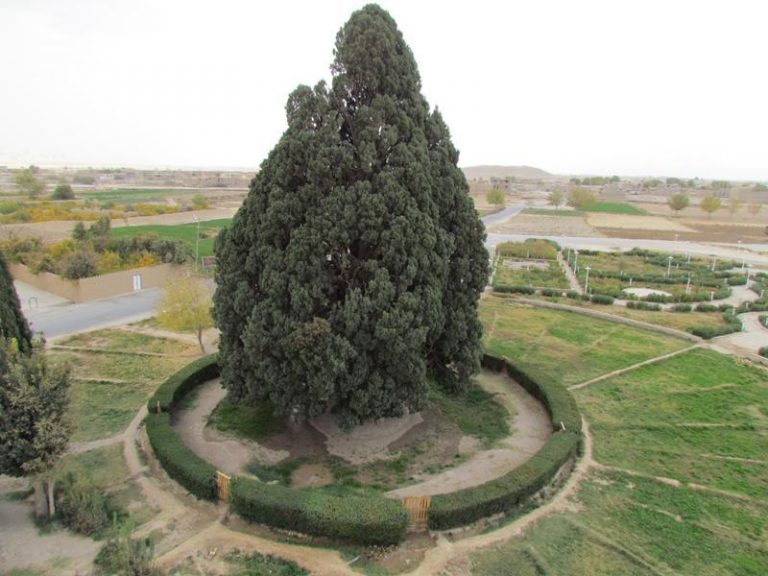
Cypress of Abarkuh in Iran
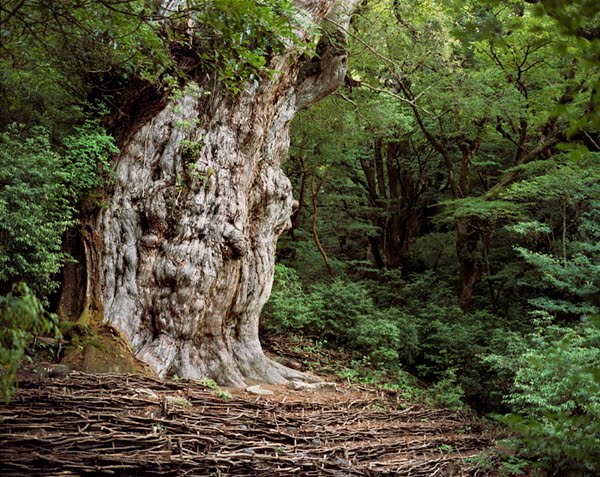
JŌMON SUGI Cryptomeria Tree Yakushima Japan - 2000 years old
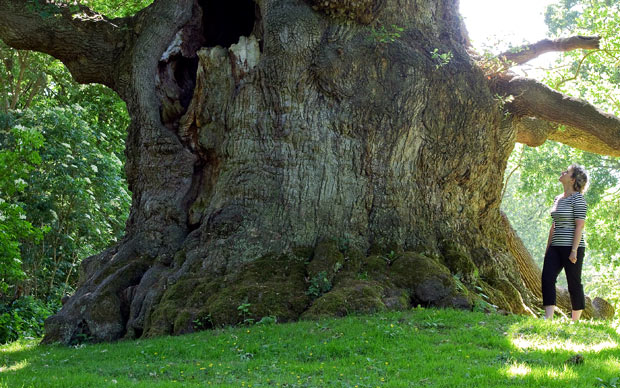
widest tree LLANGERNYW YEW in WALES - 4000 years old
widest tree - LLANGERNYW YEW in WALES - 4000 years old
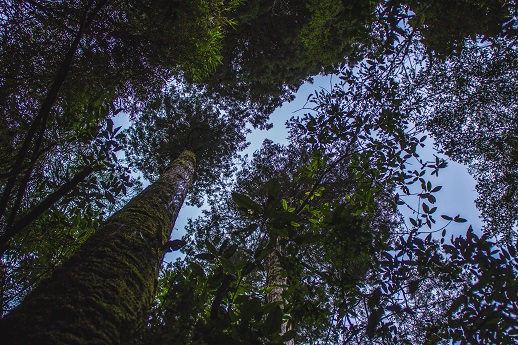
Alerce_Milenario_or_Gran_Abuelo_cypress_tree_Fitzroya_Cupressoides_Andes_Mountains_South_America - 3640 years old
Old Tjikko Norway spruce tree Fulufjället Mountain Dalarna province Sweden - 9500 years old - world's oldest tree
Methuselah 5000 years old bristlecone pine tree White Mountains Inyo Nationa Forest California
Pando The Trembling Giant Quaking Aspen Utah - 1 million years old

Cypress of Abarkuh in Iran Cypress of Abarkuh in Iran The Zoroastrian Sarv also known as Sarv-e Abarqu or Cypress of Abarkuh, is a cypress tree in Central Iran, Yazd Province at Iranian National Movement. It is said to have lived for 4000 years, earning its title as the oldest living thing in the whole of Asia. JŌMON SUGI JŌMON SUGI Cryptomeria Tree Yakushima Japan - 2000 years old Jōmon Sugi is a large Cryptomeria tree of about 83-foot height and 53-foot girth, located on Yakushima, in Japan. It dates to the Jomon Period from which it gets its name. Calculated using tree’s growth ring, it is about 2000 years old, though some argue that the tree is over 7000 years old. LLANGERNYW YEW IN WALES widest tree LLANGERNYW YEW in WALES - 4000 years old Llangernyw yew is the oldest tree in Wales, as it is over 4,000-year-old.

Coral bleaching weakens fish's health and survival chances

Researchers in Australia and Sweden have found that coral bleaching and death can have a direct effect on how reef-dwelling fish learn about their environment - particularly how to avoid predators.

The team from James Cook University in Queensland and Uppsala University carried out tests in enclosed "mini reefs" that simulated the environment they were studying. They put young damselfish in their reefs, half of which contained healthy coral, the other half containing the skeletons of dead coral. The scientists then trained the fish to recognise the scent of a new predator - pairing that scent with another chemical that damselfish release when they're under attack. Only the fish in the healthy reefs learned the new predator's smell, and hid among the coral in response. On dead reefs, the fish just kept on exploring, leaving themselves vulnerable. The researchers say their results show worrying signs of the direct impact of coral damage on marine animals' behaviour and survival. The findings are published in the journal Proceedings of the Royal Society B.

Massive coral bleaching killing Australia's Great Barrier Reef - 2016

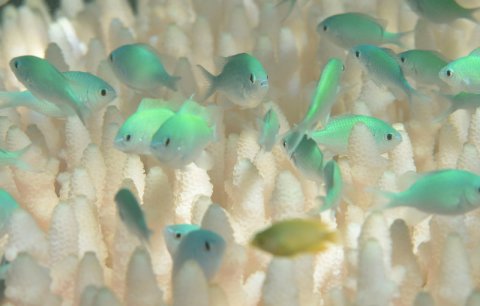
Fish swim amid bleached coral near Lizard Island, Australia, Great Barrier Reef
Coral - 4 stages of coral healthy, bleached, algal growth voer bleached dead coral
Coral - 4 stages of coral - healthy, bleached, algal growth voer bleached dead coral
Close-up of four staes of coral bleaching dying coral great barrier reef australia
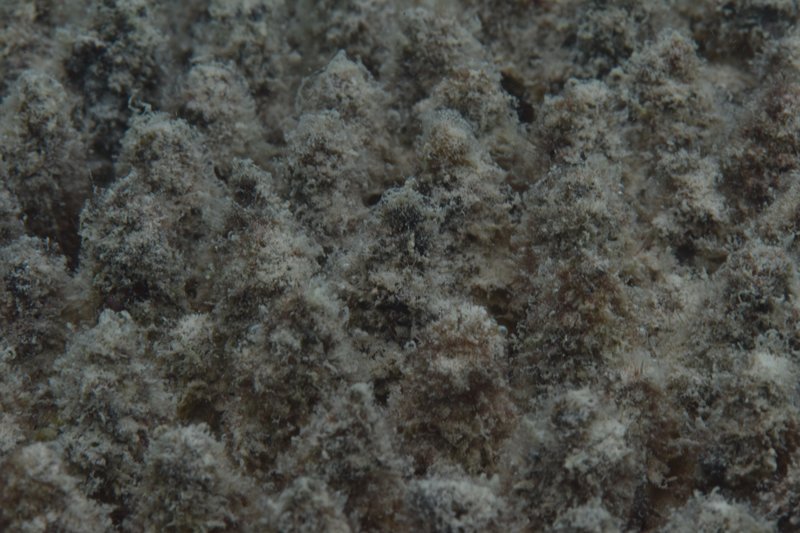
heavy algal overgrowth over bleached dying coral - Great Barrier Reef Australia

The massive bleaching hitting the Great Barrier Reef off the coast of Australia is likely that country's "biggest ever environmental disaster," says Dr. Justin Marshall, who has studied the reef for three decades. Fish swim amid bleached coral near Lizard Island, Australia, Great Barrier Reef Only 7 percent of the reef has escaped bleaching, according to researchers at the ARC Center of Excellence. Marshall, a professor at the University of Queensland, says the destructive phenomenon is happening in an area the size of Scotland. "Before this mass bleaching started, we already were at the point of losing 50% of the coral cover on the Great Barrier Reef. This, I think, will probably take another 50% off what was left," Marshall says. Over the course of the last six months, Marshall and his colleagues with the citizen science project Coral Watch have documented the degradation of reef structures near Lizard Island, one of the worst-hit areas. They photographed the same formations of coral multiple times, showing clearly the pace of the destruction.

Populations of some of the world's largest wild animals are dwindling, raising the threat of an "empty landscape", say scientists.


About 60% of giant herbivores - plant-eaters - including rhinos, elephants and gorillas, are at risk of extinction, according to research.

Analysis of 74 herbivore species, published in Science Advances, blamed poaching and habitat loss.

A previous study of large carnivores showed similar declines.

Prof William Ripple, of Oregon State University, led the research looking at herbivores weighing over 100kg, from the reindeer up to the African elephant.

"This is the first time anyone has analysed all of these species as a whole," he said.

"The process of declining animals is causing an empty landscape in the forest, savannah, grasslands and desert."
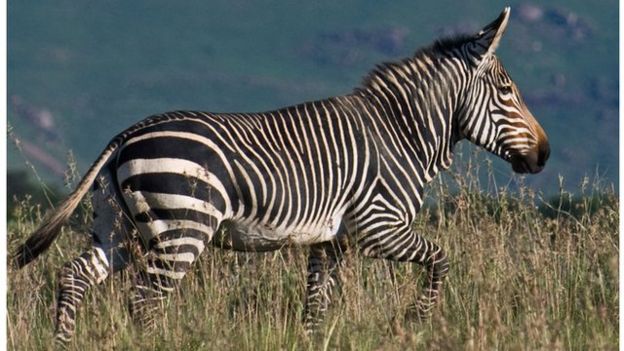
The threatened mountain zebra

The threatened mountain zebra

Prof David Macdonald, of Oxford University's Wildlife Conservation Research Unit, was among the team of 15 international scientists.

"The big carnivores, like the charismatic big cats or wolves, face horrendous problems from direct persecution, over-hunting and habitat loss, but our new study adds another nail to their coffin - the empty larder," he said.

"It's no use having habitat if there's nothing left to eat in it."

According to the research, the decline is being driven by a number of factors including habitat loss, hunting for meat or body parts, and competition for food and resources with livestock.

Caribbean coral reefs becoming extinct

healthy-coral-bermuda_0.jpg Reef in Bermuda. Healthy coral reefs have declined by about 50% in the past 40 years Many of the Caribbean's coral reefs could vanish in the next 20 years, according to a report published by the International Union for the Conservation of Nature (IUCN). Data from more than 35,000 surveys suggests that habitats have declined by more than 50% since the 1970s. The report's authors believe that over-fishing and disease is mainly to blame. They say the trend could continue if nothing is done, but with protection the reefs could bounce back. Carl Gustaf Lundin, director of IUCN's Global Marine and Polar Programme, said the findings were alarming. "The reefs support a number of different countries and populations," he said. "Tourism is one of the biggest industries, and the health of the reef is essential to the well-being of many of the people living there. And of course they are immensely beautiful and wonderful places as well." coral-overgrown-with-algae-jamaica-2013_0.jpg Reef overrun with algae The reefs are becoming over-run with algae, which suffocates the coral. The report, which was also authored by the Global Coral Reef Monitoring Network, looked at data collected between 1970 and 2012 from 90 reef habitats and is the most comprehensive assessment of corals in this region.

Pages

Email Addresses